In today’s hyper-competitive digital landscape, creating a smooth, intuitive user experience (UX) is no longer optional; it is essential. One critical component for achieving this goal is usability testing. Often overlooked or misunderstood, usability testing is a user-centred practice designed to evaluate how easy and intuitive your product, website, or application is for real users.
Whether you’re launching a new app, redesigning an existing website, or continually optimising your digital experience, employing professional usability testing services ensures your product resonates with your audience.

Understanding Usability Testing
Usability testing is a systematic approach to observing users as they interact with a product to identify usability issues. During a typical test, real users perform specific tasks under controlled conditions while observers document their interactions. The goal is straightforward yet critical: to uncover problems, assess overall ease of use, and gain insights into how real-world users perceive your product.
Usability differs from general UX testing as it specifically examines functionality and ease-of-use rather than the broader emotional and aesthetic aspects of user experience. This focused approach provides concrete, actionable insights, enabling development teams to make data-driven decisions rather than relying on assumptions.
Benefits of Usability Testing
Early Detection of Issues
Perhaps the most valuable benefit of usability testing is the early detection of problems. Addressing usability issues early in the development lifecycle prevents costly fixes later on. Studies by the Nielsen Norman Group reveal that usability testing can deliver an impressive return on investment (ROI) of up to 135%, primarily due to reduced rework and improved customer satisfaction.
Enhanced User Satisfaction
Usability testing directly contributes to a more intuitive and engaging product experience. Users value products that help them achieve their goals quickly and effortlessly. High satisfaction levels lead to better user retention, increased conversions, and positive reviews, all of which boost your competitive advantage.
Data-Driven Decisions
By systematically gathering usability data, your team can prioritise improvements based on user-driven insights rather than intuition. Professional usability testing services provide detailed analysis and actionable reports, guiding designers and developers to focus their resources effectively.
Key Phases of Usability Testing
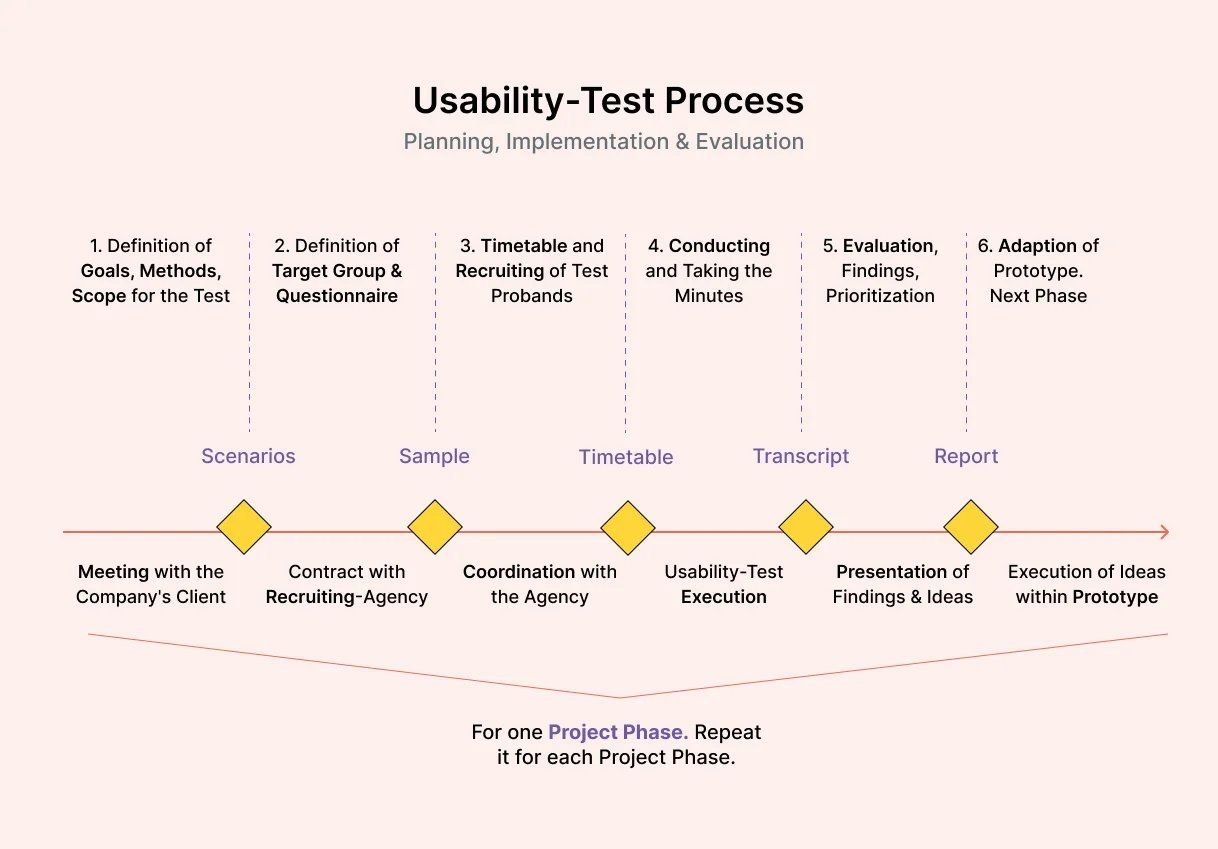
Conducting successful usability tests involves several critical stages:
1. Planning and Preparation
The first phase involves defining clear objectives, selecting suitable participants, and preparing task scenarios. Professional usability testing services ensure participants accurately represent your target audience, increasing the relevance of test results.
2. Running the Tests
Participants are observed performing predefined tasks using the product. Observers meticulously document interactions, including successes, struggles, and overall user sentiment. Both moderated (guided by a facilitator) and unmoderated (participants perform tasks independently) formats can be employed depending on objectives and resources.
3. Data Analysis and Reporting
After collecting interaction data, usability specialists analyse the results to identify trends, critical issues, and areas for improvement. Professional usability testing services offer comprehensive reports, highlighting prioritised recommendations and actionable insights to streamline user experience enhancement.
Metrics that Matter in Usability Testing
Reliable usability tests rely on several key performance indicators (KPIs):
- Task Success Rate: Measures the percentage of participants who successfully complete a task.
- Time on Task: Assesses how long participants take to complete tasks, indicating potential complexity or intuitiveness.
- Error Rate: Captures mistakes made during tasks, highlighting confusing or unintuitive elements.
- Subjective Metrics: Include user feedback surveys and System Usability Scale (SUS) scores, offering qualitative insights into users’ perceptions and confidence.
Collecting these metrics provides a holistic picture, guiding precise improvements in usability.
Choosing the Right Usability Testing Services
Partnering with professional usability testing services significantly enhances your testing effectiveness. When selecting a provider, consider these key factors:
Expertise and Experience
Seek providers with demonstrated experience across diverse industries and project types. Experienced usability experts deliver nuanced insights, drawing from broad knowledge bases and successful past projects.
Methodological Flexibility
Optimal usability testing solutions offer both moderated and unmoderated testing options, enabling flexibility based on your project requirements, timeline, and budget.
Global and Demographic Reach
If your product caters to an international audience, choose usability testing services with global testing capabilities. Providers like Global App Testing, for example, offer testing on numerous real devices and OSes, ensuring comprehensive results relevant to your global user base.
Rapid and Actionable Insights
Timely insights are crucial. Choose providers offering quick turnaround, detailed analysis, and clear, actionable recommendations. This ensures your team can swiftly implement improvements, enhancing your product’s user experience efficiently.
Real-Life Applications of Usability Testing
Consider practical examples to appreciate usability testing’s impact:
- Fitness Apps: Real-world usability testing revealed unexpected issues with navigation in outdoor conditions, prompting significant UI enhancements.
- E-commerce Platforms: User testing identified friction points in the checkout process, leading to changes that dramatically increased conversion rates.
- Language Learning Applications: Cultural usability tests uncovered issues in translated content, refining localisation strategies and significantly improving user engagement.
These examples highlight the tangible, transformative benefits of usability testing, underlining its importance for digital success.
Conclusion: Usability Testing as a Competitive Advantage
In the highly competitive digital space, every touchpoint matters. Investing in professional usability testing services ensures your product aligns closely with user needs, facilitating seamless interactions and elevating user satisfaction. Regular usability tests allow you to iterate continuously, optimising the user experience and keeping your digital products ahead of the competition.
By leveraging usability testing, businesses not only prevent costly redesigns but also cultivate loyal, satisfied users who value intuitive and user-friendly experiences. Whether developing a new application or refining an existing one, usability testing is an indispensable practice that directly influences your product’s success.