
Retail tracking is undergoing a major shift. Traditional systems built around one-dimensional barcodes and manual processes are no longer enough to keep up with modern retail demands. As retailers deal with growing product lines, multi-channel sales, and the need for accurate, real-time data, many are turning to smarter tracking solutions. Among the most impactful of these is 2D barcode technology.
Unlike basic barcodes, 2D codes can carry far more information in a compact format and remain scannable even when damaged or printed on curved surfaces. They’re already being adopted in everything from checkout systems to backend logistics—quietly transforming how products are traced, sold, and managed.

Read on to see why 2D barcode technology is redefining the future of retail tracking.
How 2D Barcodes Work in Retail
Retailers are moving away from basic UPC codes and adopting smarter, more efficient solutions. 2D barcodes offer a compact yet powerful way to encode and retrieve detailed product data quickly and reliably.
To better understand their role in retail operations, here are the functions that highlight how 2D barcodes work:
- Increased data density: Compared to traditional barcode systems, 2D barcodes like QR Codes, Data Matrix, and PDF417 codes can store much more information, including serial numbers, expiration dates, and batch data—ideal for detailed tracking in compact spaces.
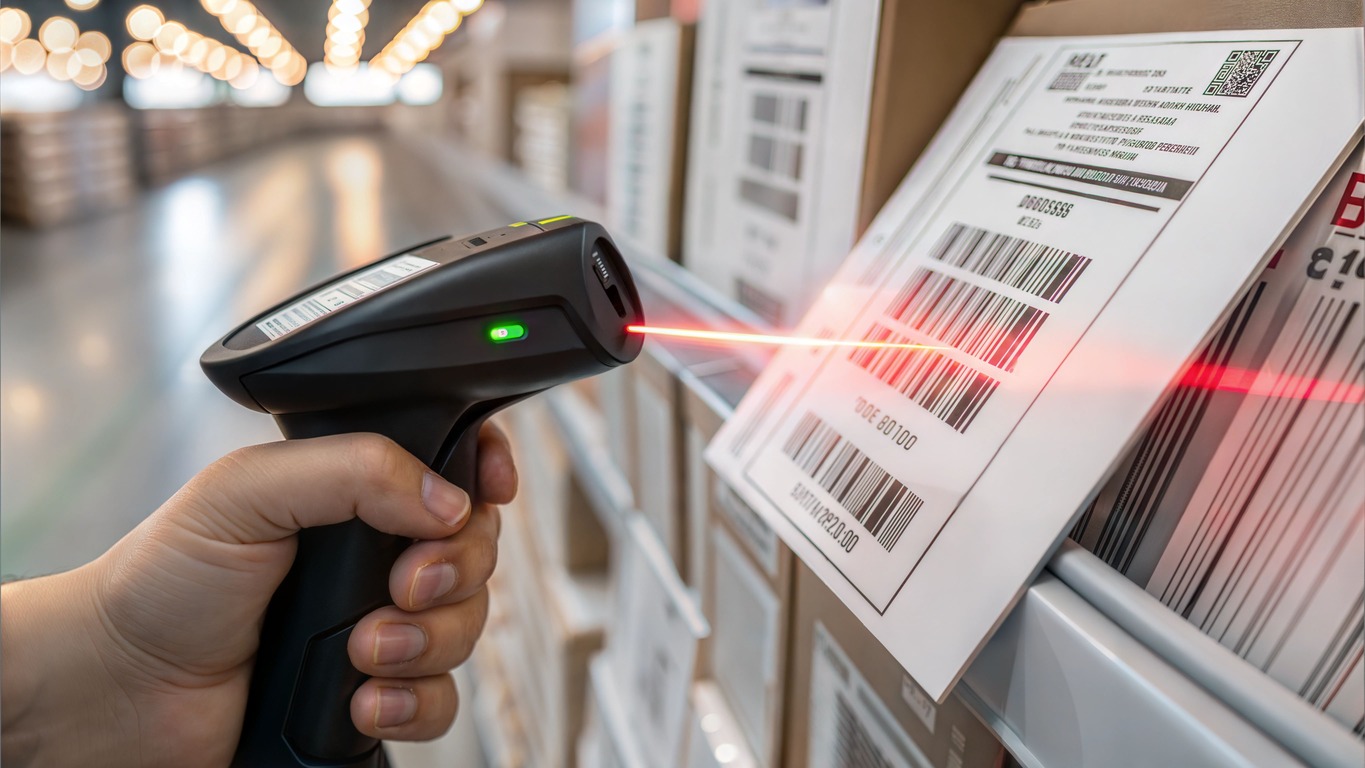
- Support for modern scanning equipment: Unlike older laser scanners, today’s barcode scanners, including imaging scanners and smartphone cameras, read 2D barcodes from almost any angle—even if damaged or curved—improving scan speed and accuracy in retail settings.
- Packaging-integrated functionality: Brands now use 2D barcodes on packaging to connect products with digital tools. Platforms like Orijin Plus or another trusted partner enable features such as authentication, scan-based content, and enhanced traceability through interactive codes.
2D barcodes provide a fast and reliable way to store and retrieve complex information at the point of sale or within the supply chain.
Why 2D Barcode Technology is Shaping the Future of Retail
As retail shifts toward more connected and data-centered systems, 2D barcode technology offers retailers a practical way to improve how information moves across operations. It works with existing processes while supporting the growing demand for transparency, automation, and integration.
The following are three core reasons 2D barcodes are becoming a long-term fixture in modern retail:
- Compatibility with mobile and cloud systems: 2D barcodes integrate with cloud platforms and retail apps, allowing staff to access real-time inventory, pricing, and product data using smartphones or tablets—no need for back-office terminals.
- Support for automation and real-time processing: Used with AI, robotics, and smart POS systems, 2D barcodes enable faster picking, stock updates, and auto-replenishment, thanks to their ability to carry detailed info like batch codes and expiration dates.
- Future-ready integrations: As tech like blockchain and Internet of Things (IoT) becomes more common, 2D barcodes support secure product tracking with standard formats like QR Codes and Data Matrix, aligned with GS1 Digital Link and industry regulations.
Retailers using scalable barcode systems can meet growing consumer demands and compliance needs without overhauling their infrastructure.

Benefits of 2D Barcodes for Retail Tracking
2D barcode technology improves how retailers monitor stock movement and product data in complex store environments. Unlike traditional methods, these barcodes help retailers link each product to multiple data points—ranging from supplier details to internal tracking codes—allowing for better stock coordination without relying on manual cross-checks. This added detail supports tighter control over what enters and exits each retail location.
In addition, the enhanced data layer helps store managers identify inefficiencies across sales floors, storage areas, and distribution points. For example, they can spot delays in internal transfers or recurring mismatches in expected vs. received inventory. This level of insight supports faster adjustments without interrupting daily operations or over-relying on manual stock counts.
Moreover, 2D barcodes support compliance with industry-specific recordkeeping and reporting standards. In sectors where traceability and audit trails are critical—such as health, beauty, and specialty goods—accurate tracking can reduce the risks tied to inaccurate labeling or record discrepancies.
Use Cases Of 2D Barcodes in Retail
Retailers are using 2D barcodes to improve how they track returned items and manage after-sale services. Instead of relying on printed receipts or manual records, staff can scan the barcode to retrieve transaction history, warranty details, or return policies tied to the product. This streamlines processing and ensures that return-related decisions are backed by reliable data.
Beyond returns, retailers also apply 2D barcodes to manage expiration-sensitive or compliance-regulated inventory. This is especially useful for industries dealing with perishable items or controlled products, where timestamps, supplier data, and batch numbers must be verified quickly. With a single scan, staff can confirm storage timelines or isolate products that require removal before shelf dates lapse.
In addition, 2D barcodes support cross-functional coordination across marketing and store operations. Some retailers link them to in-store signage to adjust digital promotions based on region, season, or inventory status without manual reprinting. This allows store-level teams to stay aligned with centralized campaigns while adjusting to local stock availability in real time.
Final Thoughts
2D barcode technology is more than a data storage upgrade—it’s a strategic tool that empowers retailers to improve tracking, streamline operations, and enhance the customer experience. With its broad range of applications and readiness for future tech integrations, 2D barcodes are set to become a permanent fixture in retail’s digital transformation. Retailers who invest in this technology today will have a competitive edge tomorrow.