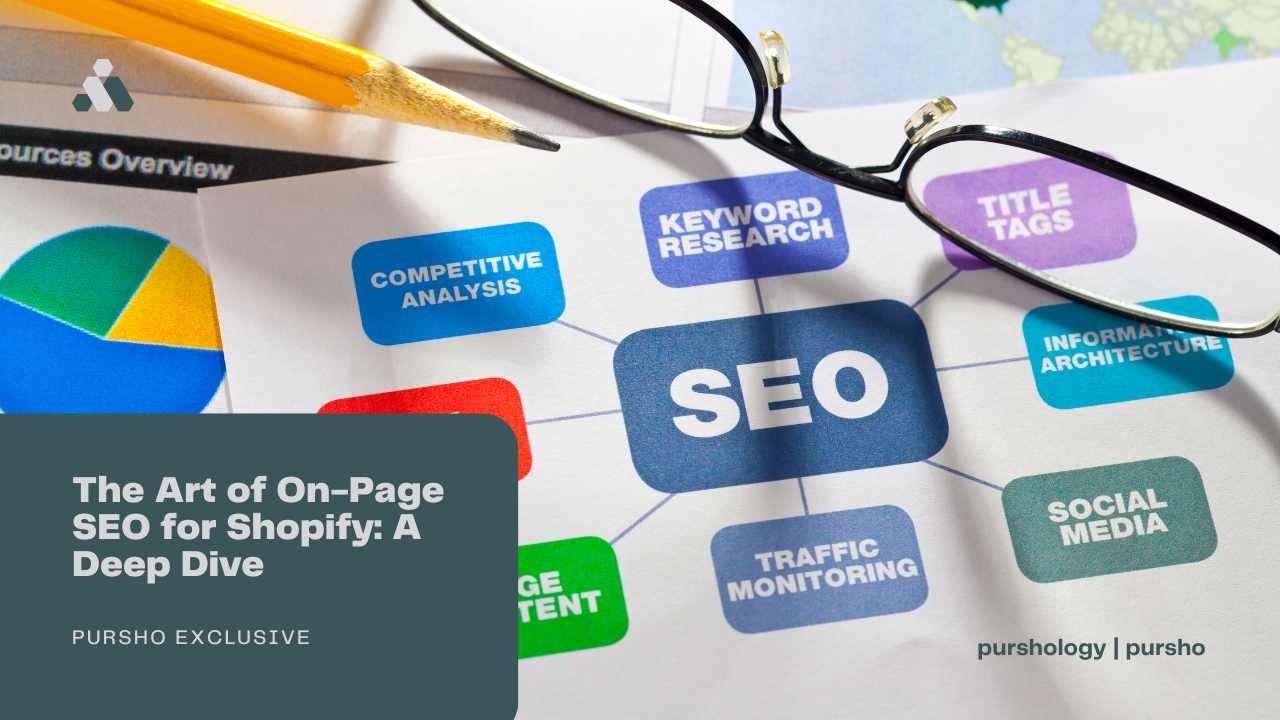
In the competitive world of e-commerce, simply having a Shopify store isn’t enough. To truly stand out and attract your target audience, you need to master the art of search engine optimization (SEO). Specifically, on-page SEO plays a crucial role in ensuring your products and content are visible to potential customers searching on platforms like Google. This deep dive will explore the essential elements of on-page SEO tailored for Shopify stores, providing actionable insights to help you climb the search rankings and drive organic traffic. We’ll cover everything from keyword research and content optimization to technical considerations that can significantly impact your store’s performance.
The Foundation: Keyword Research
Effective on-page SEO begins with thorough keyword research. This isn’t just about finding popular terms; it’s about identifying the words and phrases your potential customers are actually using to search for products like yours. For Shopify stores, this means a blend of broad terms, long-tail keywords, and product-specific queries.

Why Keyword Research Matters:
- Understanding User Intent: Keywords reveal what users are looking for, allowing you to create content that directly addresses their needs.
- Targeting the Right Audience: By optimizing for relevant keywords, you attract visitors who are genuinely interested in your offerings, leading to higher conversion rates.
- Competitive Advantage: Analyzing competitor keywords can uncover opportunities you might have missed.
How to Conduct Keyword Research for Shopify:
- Brainstorm Seed Keywords: Start with broad terms related to your products and niche. Think like your customer.
- Utilize Keyword Research Tools: Tools like Google Keyword Planner, Semrush, Ahrefs, and Ubersuggest can provide valuable data on search volume, competition, and related keywords. These SEO tools help you discover variations and long-tail opportunities.
- Analyze Competitors: See what keywords your successful competitors are ranking for. This can give you insights into profitable niches and content gaps.
- Consider Long-Tail Keywords: These are longer, more specific phrases (e.g., “organic cotton baby clothes for sensitive skin”). While they have lower search volume, they often have higher conversion rates due to their specificity.
- Shopify Search Bar Insights: Pay attention to the autocomplete suggestions in your Shopify store’s search bar. These are direct indicators of what your customers are searching for on your site.
Once you have a solid list of keywords, categorize them by relevance and search intent. This will guide your content creation and optimization efforts.
Content Optimization: Crafting for Conversions and Rankings
With your keywords in hand, the next step is to strategically integrate them into your Shopify store’s content. This includes product descriptions, collection pages, blog posts, and even your homepage. The goal is to create high-quality, engaging content that not only ranks well in search engines but also persuades visitors to make a purchase.
Key Areas for Content Optimization:
- Product Pages: These are arguably the most important pages for an e-commerce store. Each product page should have a unique, detailed description that incorporates your target keywords naturally. Don’t just list features; highlight benefits and answer potential customer questions. Use high-quality images with optimized alt text.
- Collection Pages: Optimize your collection pages with unique descriptions that include relevant keywords. These pages can rank for broader terms and help users navigate your store.
- Blog Posts: A blog is an excellent tool for driving organic traffic. Create informative and engaging blog posts around your target keywords, addressing common customer pain points, offering solutions, or providing valuable information related to your products. This is also a great place to build internal links to your product and collection pages.
- Homepage: While often overlooked for keyword optimization, your homepage should clearly communicate what your store offers and include your primary keywords in a natural way.
Best Practices for On-Page Content:
- Keyword Placement: Integrate your primary keyword in the title, first paragraph, and throughout the content. Use secondary keywords and variations to enrich the text.
- Readability: Write clear, concise, and easy-to-understand content. Use headings, subheadings, bullet points, and short paragraphs to improve readability. A good user experience is also a positive SEO signal.
- Unique Content: Avoid duplicate content, especially for product descriptions. If you sell similar products, ensure each description is distinct.
- Internal Linking: Link relevant pages within your Shopify store. This helps search engines understand your site structure and passes authority between pages. For more insights into how internal linking can boost your store’s visibility, you can click here.
- Image Optimization: Compress images to improve page load speed. Use descriptive file names and alt text that includes relevant keywords. This helps search engines understand the image content and improves accessibility.
Remember, the aim is to provide value to your customers while signaling relevance to search engines. Over-optimizing or keyword stuffing can lead to penalties and a poor user experience.
Technical On-Page SEO Elements: Beyond the Content
While compelling content is vital, several technical on-page elements also significantly influence your Shopify store’s search engine rankings. Optimizing these aspects ensures that search engines can easily crawl, index, and understand your website.
- Meta Titles and Descriptions: These are often the first things users see in search results. Your meta title should be concise, include your primary keyword, and accurately reflect the page’s content. The meta description, while not a direct ranking factor, acts as an advertisement for your page, enticing users to click. It should be compelling and include relevant keywords.
- URLs: Keep your URLs clean, concise, and keyword-rich. Shopify allows you to customize URLs for products, collections, and pages. Use hyphens to separate words and avoid unnecessary characters. A well-structured URL provides clues to both users and search engines about the page’s content.
- Site Speed: Page load speed is a critical ranking factor and a major contributor to user experience. Slow-loading pages lead to higher bounce rates and lower conversions. Optimize your Shopify store’s speed by compressing images, minimizing app usage, using a fast theme, and leveraging browser caching. Tools like Google PageSpeed Insights can help you identify areas for improvement.
- Mobile Responsiveness: With the majority of online shopping now happening on mobile devices, having a mobile-responsive Shopify store is non-negotiable. Google prioritizes mobile-first indexing, meaning your mobile site’s performance directly impacts your search rankings. Ensure your theme is responsive and provides a seamless experience across all devices.
- Structured Data (Schema Markup): Implementing structured data, such as product schema, can help search engines understand your product information (price, reviews, availability) and display rich snippets in search results. This can significantly increase your click-through rates.
For businesses seeking specialized assistance in navigating these technical intricacies and other aspects of e-commerce growth, partnering with an expert can make a significant difference. An agence seo shopify can provide tailored strategies to enhance your store’s visibility and performance.
User Experience (UX) and On-Page SEO: A Symbiotic Relationship
While search engines are becoming increasingly sophisticated, their ultimate goal remains to provide the best possible results to users. This means that a positive user experience (UX) is intrinsically linked to strong on-page SEO. When users find your site easy to navigate, visually appealing, and helpful, they are more likely to stay longer, explore more pages, and convert. These actions send positive signals to search engines, indicating that your site is valuable and relevant.
Key UX Factors that Influence On-Page SEO:
- Intuitive Navigation: A clear and logical site structure helps both users and search engines understand your store’s hierarchy. Ensure your main menu, categories, and product filters are easy to find and use. Breadcrumbs are also excellent for navigation and SEO.
- Engaging Visuals: High-quality product images and videos are crucial for e-commerce. They not only showcase your products effectively but also keep users engaged. Ensure images load quickly and are optimized for various devices.
- Clear Calls to Action (CTAs): Guide your users through the purchasing journey with prominent and clear CTAs. This reduces friction and improves conversion rates, which indirectly benefits your SEO.
- Mobile-First Design: As mentioned earlier, mobile responsiveness is paramount. A seamless mobile experience reduces bounce rates and improves engagement, both of which are positive SEO indicators.
- Page Layout and Design: A clean, uncluttered layout with sufficient white space improves readability and makes your content more digestible. Avoid excessive pop-ups or intrusive ads that can detract from the user experience.
- Customer Reviews and Testimonials: Social proof builds trust and can significantly influence purchasing decisions. Encourage customers to leave reviews on product pages. These reviews not only provide fresh, keyword-rich content but also signal to search engines that your products are popular and reputable.
By prioritizing user experience, you naturally align your on-page SEO efforts with what search engines value most: providing a valuable and enjoyable experience for their users. This holistic approach ensures that your Shopify store is not just optimized for algorithms but also for the people who matter most – your customers.
Conclusion: The Ongoing Journey of On-Page SEO
Mastering on-page SEO for your Shopify store is not a one-time task but an ongoing journey. The digital landscape is constantly evolving, with search engine algorithms being updated regularly. Therefore, continuous monitoring, analysis, and adaptation are crucial for maintaining and improving your search rankings.
Regularly review your keyword performance, analyze your content for opportunities to improve, and stay updated on the latest SEO best practices. Tools like Google Analytics and Google Search Console are invaluable for tracking your progress and identifying areas for improvement. Pay attention to user behavior metrics such as bounce rate, time on page, and conversion rates, as these are strong indicators of both user satisfaction and SEO effectiveness.
By diligently applying the principles of on-page SEO—from meticulous keyword research and compelling content creation to optimizing technical elements and prioritizing user experience—you can significantly enhance your Shopify store’s visibility, attract more qualified traffic, and ultimately drive sustainable growth for your e-commerce business. Remember, a well-optimized Shopify store is a powerful asset in today’s competitive online marketplace.