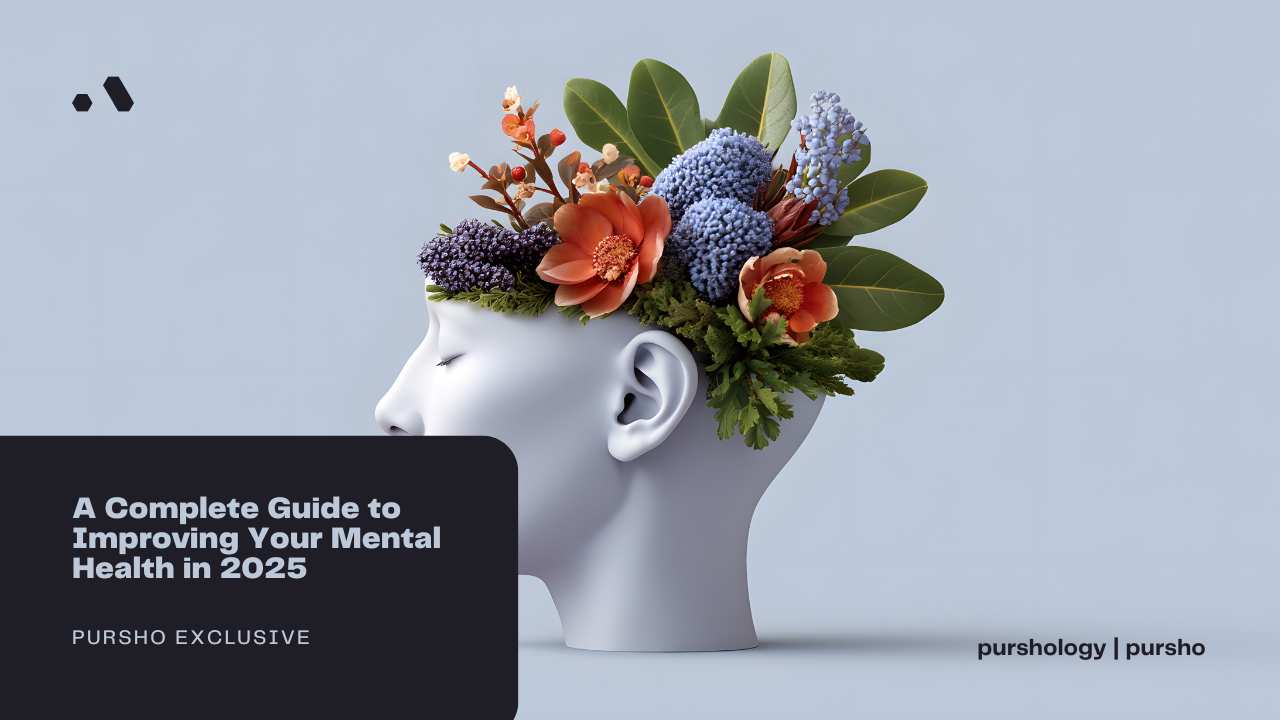
The issue of mental health has become one of the most significant issues of general well-being, in particular, the more digital, faster, and more emotionally stressful world we live in. In 2025, individuals are grappling with fresh demands online identity, digital workspaces, social comparison and even sophisticated technologies such as facial recognition that are shaping our own perception of ourselves and how society relates with us. Due to such changes, the need to enhance mental health has never been as crucial as it is now.
The guide will discuss useful tips, new trends and easy habits that can assist you in developing a more resilient mental and emotional health by 2025..

1. Why Mental Health Matters More Than Ever
Emotional health has an impact on all aspects of life including relationships, productivity, self-worth, decision-making and physical health. In the modern world, the level of stress is rising because of:
Fast technological change.
Social media pressure
Lack of in-person connection
Information overload
Comparison all the time using the internet.
To top it, there is the emergence of new technologies like those in AI-driven facial recognition systems, which alter the way we engage in the world. Although they are convenient and safe, they pose the issue of self-image, privacy, and digital identity. Mental health is not only significant, but also vital in these contemporary issues.
2. Understanding What Affects Your Mental Health in 2025
Good mental health is influenced by your environment, habits, lifestyle, and mindset. Some of the most common factors that affect people today include:
Digital Stress
Spending hours online—scrolling, posting, comparing—can overload the brain with information and drain emotional energy.
Work-from-Home Pressure
Remote work has blurred the line between personal and professional life, increasing stress and burnout.
Self-Image Concerns
AI filters, online profiles, and even facial recognition technology make people more conscious of how they appear digitally, which can impact self-esteem.
Lack of Emotional Expression
Many people hide their stress due to fear of judgment or social expectations.
Understanding these triggers is the first step toward a healthier and more balanced life.
3. Build Mental Strength Through Daily Habits
Improving mental health doesn’t require major changes—small daily habits can create a strong foundation.
Practice Mindfulness
Mindfulness helps you stay present, reduce anxiety, and improve focus. Simple daily practices include:
- Deep breathing
- Short meditation sessions
- Observing your thoughts without judgment
Limit Digital Overload
Set boundaries such as:
- No phone during meals
- Avoiding screens 1 hour before bedtime
- Scheduling “offline time” each day
This reduces mental fatigue and enhances clarity.
Create a Healthy Routine
A balanced routine provides emotional structure. Include:
- Regular sleep
- Nutritious meals
- Daily movement or gentle exercise
- Time for hobbies
Stay Connected
Human connection is essential for emotional stability. Talk to friends, join groups, or connect with supportive communities.
4. Recognizing the Signs Your Mental Health Needs Attention
Mental health challenges often start with small signals. Recognizing them early helps prevent bigger issues.
Some common signs include:
- Constant fatigue
- Overthinking or anxiety
- Feeling overwhelmed
- Social withdrawal
- Irritability or mood swings
- Difficulty focusing
- Changes in appetite or sleep
If you notice these signs, take them seriously. Improving mental health starts with awareness.
5. Protecting Your Mind in the Digital Age
In 2025, technology is deeply connected to mental well-being. While digital tools make life easier, they also create emotional pressure.
Managing Social Comparison
Online life often shows only the best moments, creating unrealistic expectations. Reduce comparison by:
- Limiting exposure to toxic platforms
- Following positive and educational pages
- Celebrating your own progress
Understanding Facial Recognition and Mental Health
Facial recognition is widely used—in smartphones, workplaces, airports, and public spaces. Although helpful, it can affect mental health by increasing:
- Self-consciousness
- Body-image concerns
- Anxiety about how you are perceived
- Privacy worries
The key is balance. Use technology for convenience, but don’t let digital identity shape your self-worth.
Reclaim Your Digital Identity
Take control by:
- Managing your privacy settings
- Avoiding unnecessary online exposure
- Being mindful of what you share
Your mental health should always come before digital approval.
6. Strengthen Your Emotional Health Through Positive Mindset
Mental resilience comes from training your mind to stay calm, confident, and adaptable.
Practice Self-Compassion
Accept that you are human. Allow room for mistakes and growth.
Replace Negative Thoughts
Challenge unhelpful thoughts by asking:
- Is this thought true?
- Is it helpful?
- Can I see it from a better perspective?
Focus on Gratitude
Daily gratitude boosts mood and reduces stress. Write down:
- Three things you are grateful for
- One achievement of the day
- One positive moment
This simple habit trains your brain to notice good things.
7. Healthy Boundaries Create Healthy Minds
Learn to say no when needed. Overcommitting leads to burnout.
Set boundaries in:
- Work expectations
- Social relationships
- Family pressure
- Digital communication
You don’t have to respond immediately to every message. Protect your peace.
8. Seek Help When Needed
Mental health support is a sign of strength—not weakness. In 2025, there are many accessible tools:
- Mental health apps
- Online therapy
- Support groups
- Wellness platforms
- Stress-management workshops
Talking to a professional can provide clarity and emotional relief.
9. Conclusion
To achieve mental health in 2025 does not mean not to be stressed but to be emotionally strong, balance digital life and know how to appreciate yourself outside of screens and expectations. Mindfulness, boundary-setting, controlling your digital existence, and understanding the effects of modern technologies, such as facial recognition, will help you to establish a healthier and more rewarding life.