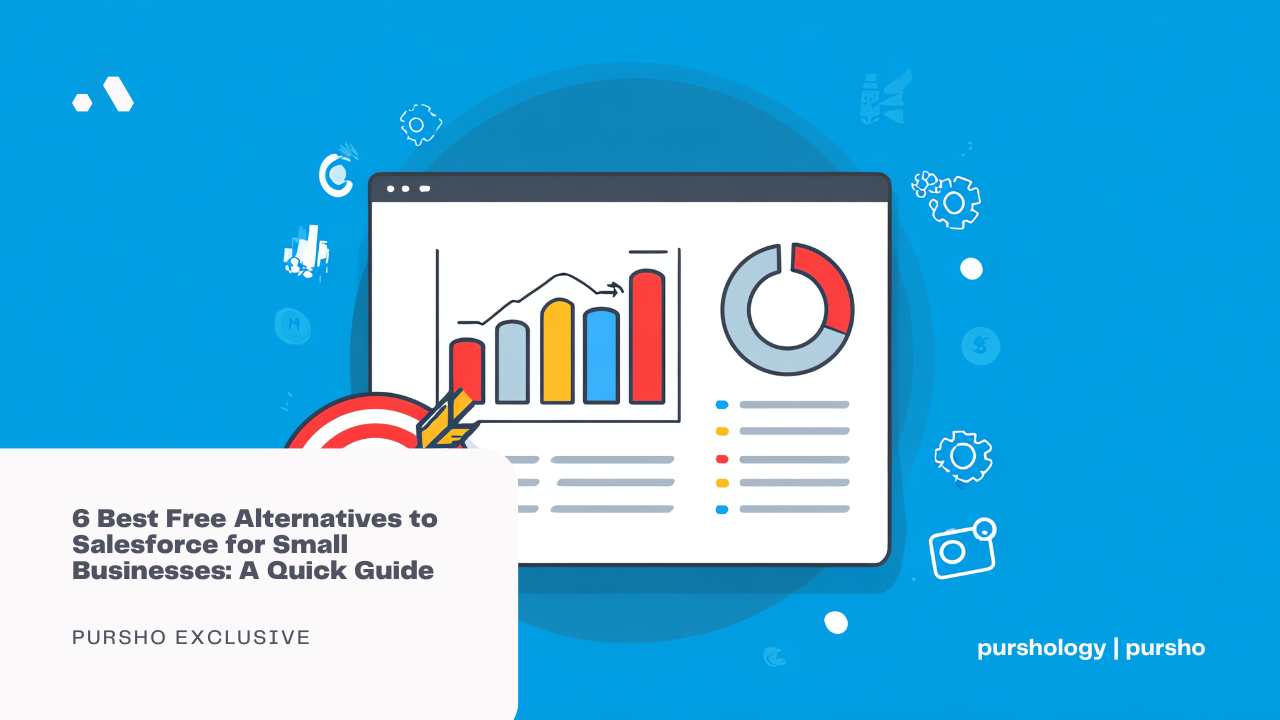
Introduction to Salesforce Alternatives
Salesforce is undoubtedly a leader in the Customer Relationship Management (CRM) space, offering a plethora of powerful tools designed to enhance customer engagement and streamline sales processes. However, its pricing structure can be daunting for small businesses. Fortunately, several free alternatives provide valuable features without the hefty price tag. This guide explores some of the best free CRM options available for small businesses.
Criteria for Choosing the Best Free Alternatives
When evaluating free alternatives to Salesforce, several factors should be considered. First and foremost is usability; the tool should have an intuitive interface that allows users to get started quickly. Next is the feature set; essential functionalities like contact management, sales tracking, and reporting capabilities are crucial for small businesses. Finally, integration options with other tools, customer support, and scalability can make a significant difference as the business grows.
1. HubSpot CRM: An Overview
HubSpot CRM is widely recognized for its user-friendly design and straightforward approach to customer relationship management. Offering features such as contact management, pipeline visualization, and email tracking, it stands out for its seamless integration with HubSpot’s marketing tools. The platform allows unlimited users at no cost and provides valuable analytics to track performance, making it an attractive choice for small businesses looking to build their sales processes without complicated setups.
2. Zoho CRM: Features and Benefits
Zoho CRM offers a robust feature set tailored for small to medium-sized businesses. Its free plan supports up to three users and includes capabilities such as lead and contact management, task automation, and sales forecasting. Zoho’s flexibility is one of its primary advantages, allowing users to customize the platform according to their specific needs. Furthermore, Zoho integrates well with various third-party applications, facilitating an efficient workflow across different business tools.
3. Freshsales: A Comprehensive Review
Freshsales, part of the Freshworks suite, provides a comprehensive CRM solution ideal for small businesses. Its free tier comes with features like contact and account management, interaction history, and basic reporting functionalities. What sets Freshsales apart is its AI-powered insights and built-in phone and email capabilities, giving users a unified communication platform. With its focus on simplicity and automation, Freshsales helps small teams optimize their sales efforts without overwhelming complexity.
4. Agile CRM: User-Friendly Interface
Agile CRM is designed for small businesses looking for a straightforward yet effective CRM solution. Its free version offers features such as contact management, project management, and simple reporting tools. Agile CRM excels with its user-friendly interface that allows businesses to engage with customers easily. Additionally, it supports a variety of integrations with popular apps, enabling users to connect tools they already use for enhanced productivity.
5. Bitrix24: Collaboration and Automation Tools
Bitrix24 is more than just a CRM; it includes a full suite of collaboration tools that can be beneficial for small businesses. Its free version supports up to 12 users and comes with features including task and project management, document sharing, and scheduling tools. The automation functionalities allow businesses to streamline their workflows, while the collaboration features foster team communication. Bitrix24’s comprehensive approach makes it an excellent choice for teams needing both CRM and collaboration capabilities.
6. Streak CRM: Seamless Gmail Integration
Streak CRM is a unique player that integrates directly into Gmail, making it an ideal option for businesses that rely heavily on email communication. Its free tier provides tools for managing contacts, tracking leads, and organizing pipelines directly within the email environment. This CRM is highly customizable, enabling users to create tailored workflows that suit their processes. Streak’s native integration with Gmail eliminates the need to switch between applications, enhancing efficiency for small teams.
Conclusion: Choosing the Right Tool for Your Business
Selecting the right CRM for your small business is crucial for managing customer relationships effectively. Each of the alternatives discussed offers unique features and benefits tailored to varying business needs. By considering factors such as usability, feature set, and integration capabilities, small businesses can find a cost-effective solution that not only meets their immediate requirements but also scales with their growth. Evaluating these options carefully will help ensure that you choose a CRM that aligns with your business goals.