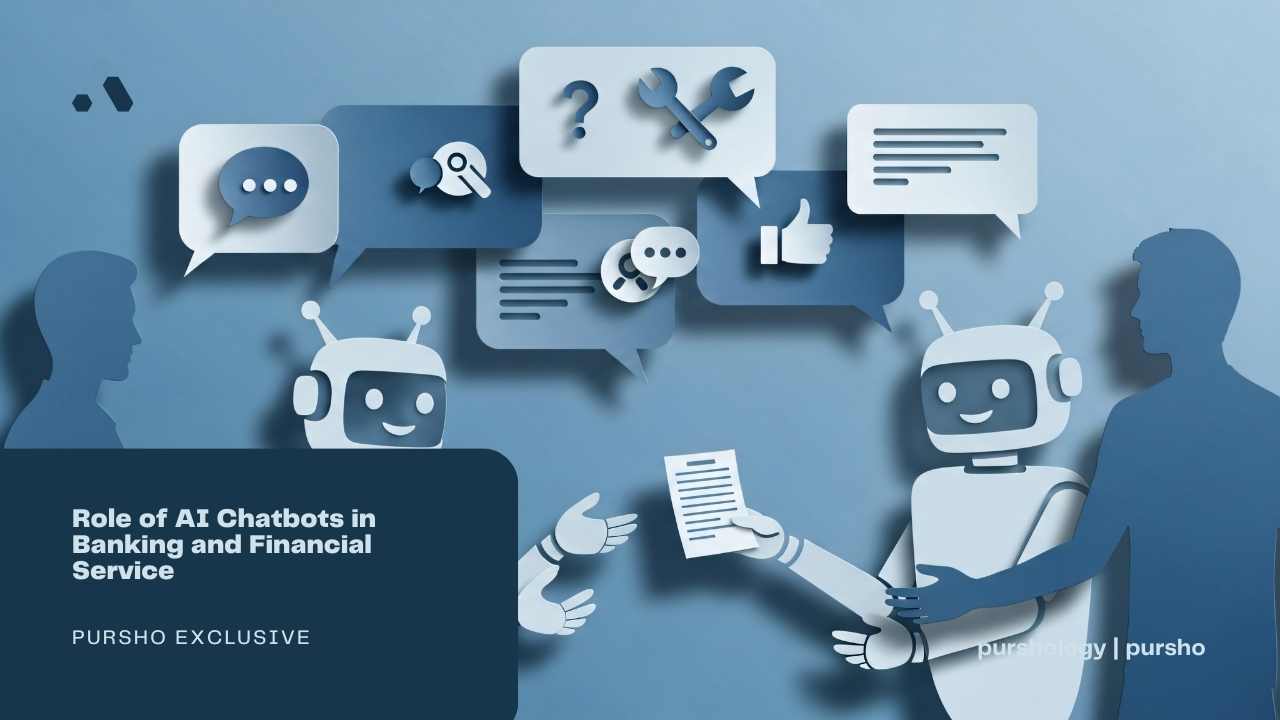
The banking and financial services industry is undergoing rapid digital transformation, driven by rising customer expectations and increasing competition from fintech companies. Customers now demand instant responses, personalized experiences, and seamless service across multiple digital channels. To meet these demands while maintaining operational efficiency, banks and financial institutions are increasingly adopting artificial intelligence–powered technologies. Among these, AI chatbots have emerged as a powerful tool reshaping customer interactions and internal processes.
The Growing Need for Automation in Banking
Traditional banking models rely heavily on human agents to handle customer queries, transaction support, and service requests. While effective, this approach can be costly, time-consuming, and difficult to scale. Long wait times, limited availability outside business hours, and inconsistent service quality often lead to poor customer experiences. Automation has therefore become a necessity rather than a luxury in modern banking environments.

AI-driven chatbots help bridge this gap by offering 24/7 assistance, handling repetitive tasks, and reducing the workload on customer service teams. From answering balance inquiries to guiding users through loan applications, chatbots enable banks to serve a large customer base efficiently without compromising service quality.
How AI Chatbots Enhance Customer Experience
Customer experience is one of the most critical factors in banking success. AI chatbots use natural language processing (NLP) and machine learning to understand customer intent and respond in a conversational manner. This allows users to interact with banks as they would with a human agent—through simple, natural conversations.
Chatbots can instantly resolve common queries such as account details, transaction history, branch locations, or card status. They also provide proactive notifications, such as payment reminders or suspicious activity alerts. This level of responsiveness builds trust, improves engagement, and enhances overall customer satisfaction.
AI Chatbot Solutions in Core Banking Operations
One of the most impactful developments in recent years is the integration of AI chatbot solutions into core banking and financial service operations. These solutions go beyond basic customer support and actively assist in areas such as account onboarding, KYC verification, loan eligibility checks, and investment guidance. By automating these processes, banks can significantly reduce processing time and human errors.
AI chatbots can guide customers step by step through complex procedures, ensuring compliance with regulatory requirements while maintaining a smooth user experience. This not only accelerates service delivery but also improves consistency across customer interactions.
Fraud Detection and Risk Management
Security is a top priority in banking, and AI chatbots play an increasingly important role in fraud prevention and risk management. By analyzing user behavior patterns and transaction data in real time, chatbots can identify unusual activities and alert customers immediately. For example, if a transaction deviates from normal spending behavior, the chatbot can prompt the user for verification.
Additionally, chatbots can educate customers about safe banking practices, phishing attempts, and fraud prevention measures. This proactive approach helps reduce financial losses and strengthens customer confidence in digital banking platforms.
Cost Efficiency and Operational Benefits
Implementing AI chatbots leads to significant cost savings for banks and financial institutions. Chatbots can handle thousands of conversations simultaneously, something that would require a large team of human agents. This reduces operational costs while allowing human staff to focus on more complex, high-value tasks.
Moreover, chatbots improve efficiency by minimizing response times and eliminating manual errors. Faster resolution of customer issues leads to higher satisfaction rates and better retention, which ultimately contributes to long-term profitability.
Personalization and Data-Driven Insights
AI chatbots leverage customer data to deliver personalized experiences. By analyzing past interactions, transaction history, and preferences, chatbots can recommend relevant financial products such as credit cards, savings plans, or investment options. This level of personalization helps banks cross-sell and upsell services more effectively.
In addition, chatbots generate valuable insights for banks by capturing customer feedback and behavioral trends. These insights can be used to refine products, improve service strategies, and make data-driven business decisions.
The Future of AI Chatbots in Financial Services
As AI technology continues to evolve, chatbots will become even more intelligent and capable. Future chatbots are expected to offer advanced voice-based interactions, deeper financial advisory capabilities, and seamless integration with emerging technologies like blockchain and open banking APIs.
Rather than replacing human agents entirely, AI chatbots will work alongside them in a hybrid model. This collaboration will enable banks to deliver faster, smarter, and more personalized services while maintaining the human touch where it matters most.
Conclusion
AI chatbots have become an essential component of modern banking and financial services. From enhancing customer experience and improving security to reducing costs and enabling personalization, their impact is far-reaching. As customer expectations continue to rise, banks that invest in intelligent chatbot technologies will be better positioned to stay competitive, agile, and customer-centric in an increasingly digital financial landscape.