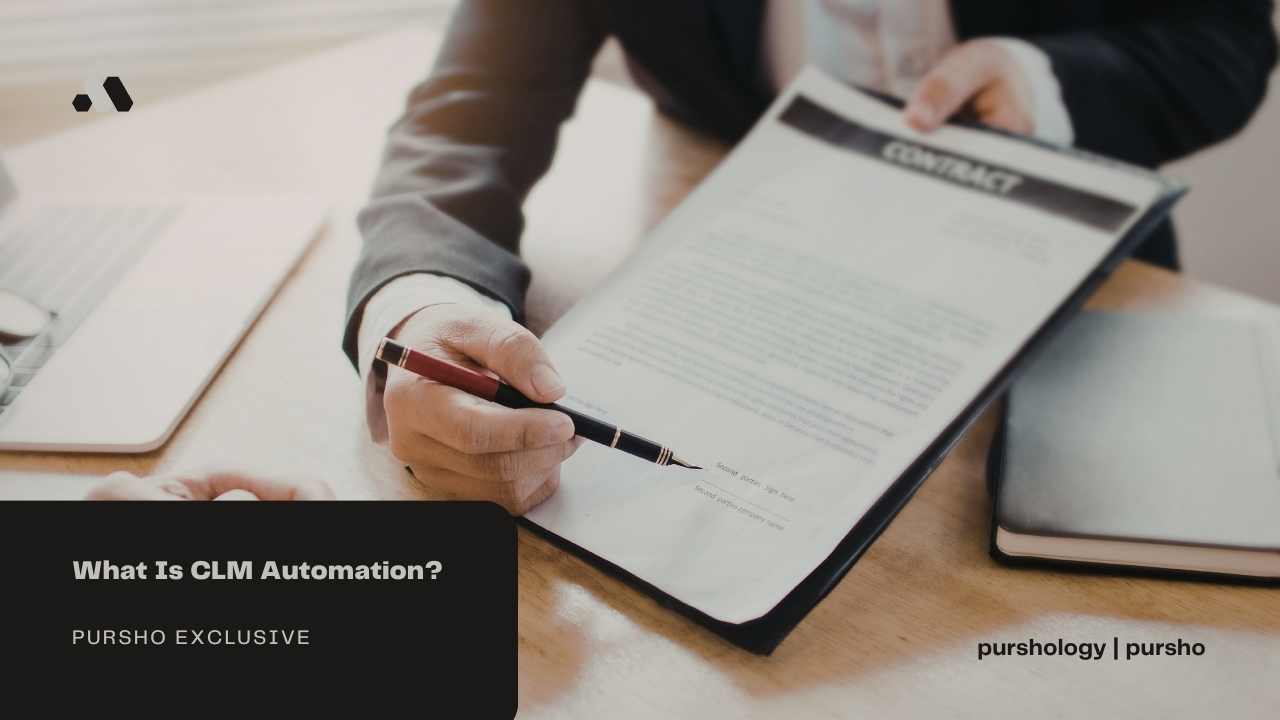
Hey, ever lost track of a contract? Or missed a renewal deadline that cost you money? You’re not alone.
Let me paint a picture. Imagine you’re juggling 30 contracts across email chains, spreadsheets, and random shared drives. A client wants a minor change. Legal wants to review. Procurement wants updates. And you? You’re stuck in the middle, burning time chasing signatures and version control.

That’s the pain most businesses face. Especially legal and procurement teams.
Here’s the good news. You can escape the chaos. Contract Lifecycle Management (CLM) automation gives you a smarter way to manage every part of your contract journey. No drowning in admin work.
With CLM automation, you don’t just store contracts. You track them. Review them. Approve them. All in one place. It speeds up your deal cycles. Lowers your risks. And helps you sleep better knowing you didn’t miss a single clause.
In this guide, I’ll walk you through how CLM automation works, how to set it up, what mistakes to avoid, and how to measure its impact.
Ready to take control of your contracts? Let’s jump in.
What Is CLM Automation?
CLM automation means using software to manage contracts through every stage. From draft to signature to renewal. It takes manual steps off your plate.
You stop using email to pass documents around. You stop guessing which version is final. You stop losing contracts in messy folders.
Instead, you work with tools that do things like:
- Auto-generate templates
- Track contract status
- Trigger approvals
- Send alerts before expiry
- Create audit trails
You gain full control. Less back-and-forth. Fewer mistakes. More speed.
CLM automation helps legal and procurement teams spend time on decisions. Not paperwork. It keeps everything transparent and traceable.
No more guessing. No more scrambling. That’s the power of automation.
Why Businesses Need CLM Automation Today
Business moves fast. But contracts? Not so much.
Manual contract handling slows everything down. Delays approvals. Risks compliance issues. Wastes your team’s time.
Here’s what you’re up against:
- Contract volumes grow as you scale
- More stakeholders means more complexity
- Missed clauses or deadlines can cause financial loss
- Legal bottlenecks block deals
Now imagine this instead. You build workflows that route contracts to the right people automatically. Approvals happen without follow-ups. Renewal alerts pop up on time.
That’s what CLM automation offers. Speed. Control. Compliance.
You can’t afford to stay manual. Not when your competitors already moved on.
Key Benefits Of CLM Automation For Legal And Procurement Teams
CLM automation helps legal and procurement teams work smarter. Not harder.
Here’s how:
- Faster Approvals. No need to chase signatures. Routing happens automatically.
- Clear Audit Trails. Every change gets tracked. Every action gets logged.
- Template Consistency. Create approved templates. No risky edits.
- Reduced Errors. Avoid duplicate contracts or missed clauses.
- Stronger Vendor Management. Procurement tracks supplier contracts without delays.
- Real-time Visibility. Legal sees contract status instantly. No surprises.
It makes the whole process leaner. You stop reacting and start controlling.
Instead of fixing problems, you prevent them.
How To Choose The Right Contract Lifecycle Management Tools
Choosing CLM software isn’t about picking the shiniest tool. It’s about finding the right fit for your workflow.
Start with these questions:
- Do you need integrations with tools like Salesforce or DocuSign?
- Can your team create templates and clauses without coding?
- Do you need role-based access for different departments?
- How easy is it to customize approval flows?
- Does it scale as you grow?
Check if the tool offers:
- Smart dashboards
- Version control
- Automated alerts
- Clause library
- Mobile access
Request demos. Test usability. Involve both legal and procurement before you decide.
You want a tool that your team actually uses. Not another system that collects dust.
Steps To Streamline Contract Processes With Automation
You don’t need to overhaul everything on day one. Start small. Then scale.
Here’s how to simplify your process step-by-step:
- Centralize Contracts
Move all documents to one secure, searchable place. - Build Templates
Standard templates help legal keep control. No surprises. - Define Approval Workflows
Set clear rules. Who signs what? In what order? - Add Automation Triggers
Use auto-reminders for renewal, expiration, or review. - Enable Collaboration
Tag teammates. Add comments. Keep conversations inside the platform. - Track Performance
Measure how long each stage takes. Look for delays.
Every step you automate cuts friction. It’s all about removing the wait time.
How To Reduce Contract Risks With Automated Systems
Manual contracts open doors to all kinds of risk. Missed clauses. Expired licenses. Unauthorized edits.
Automation fixes that.
Here’s how:
- Version Control
Keeps everyone on the same page. No more confusion. - Role-Based Access
Only the right people can view or edit. - Clause Libraries
Use pre-approved language. No risky changes. - Expiry Alerts
Never miss a renewal. - Audit Logs
Track every action. Spot red flags early.
You protect the business without slowing things down.
Risk doesn’t have to be scary. Automation makes it manageable.
Ways To Improve Compliance With CLM Automation
Compliance isn’t just about legal checkboxes. It’s about staying ready for audits and protecting your reputation.
CLM automation helps you:
- Keep every contract in one place
- Enforce pre-approved language
- Lock down editing for sensitive clauses
- Document approvals and changes
- Track who did what and when
You gain proof. Clarity. Control.
No more scrambling during audits. Everything’s clean and traceable.
It’s like having a built-in safety net for your contracts.
How To Increase Contract Visibility Across Departments
Ever had finance, sales, and legal argue over who has the “latest” version? Yep. That’s a visibility problem.
Here’s how CLM automation solves it:
- Real-time dashboards show contract status
- Shared access with permission controls
- Email updates when status changes
- Central repository for all documents
No more silos. Everyone works from the same source of truth.
Less miscommunication. More trust.
Contracts don’t belong in black boxes. Let everyone see what they need. When they need it.
The Role Of Digital Contract Transformation In Modern Enterprises
CLM automation isn’t just a tool. It’s a shift in how you work.
Here’s the deal:
- It replaces patchwork systems with one streamlined flow
- It empowers teams to act faster
- It gives leadership data to make smart decisions
Digital transformation isn’t just for marketing or sales anymore. Legal and procurement teams drive business value too.
Your contracts reflect your business. Make sure they keep up with your pace.
How To Automate Legal Workflows Without Losing Control
Lawyers worry about losing control. Fair. But good CLM tools give them more control. Not less.
You can set:
- Who edits what
- What templates people use
- Which clauses stay locked
- Where contracts go for review
Automation doesn’t remove judgment. It removes the busywork that gets in the way.
You still review. You still approve. You just don’t chase email threads anymore.
Best Practices For Contract Workflow Optimization
Want a smoother contract process? Try these tips:
- Use fewer templates, but make them smarter
- Set up clear naming rules for all files
- Train users on how the workflow works
- Review bottlenecks every month
- Add auto-reminders for key dates
- Schedule contract audits quarterly
Workflows don’t have to be rigid. They need to be repeatable.
Build systems your team can trust. Then tweak over time.
Common Mistakes To Avoid In CLM Automation
A few things can slow you down:
- Skipping the setup phase
- Ignoring user feedback
- Overcomplicating workflows
- Not cleaning up old contracts
- Forgetting to train new users
Avoid the trap of “set it and forget it.” CLM needs a little care to run smoothly.
Keep it simple. Keep it useful. Keep listening to your team.
How To Measure The ROI Of CLM Automation
You can’t improve what you don’t measure.
Track metrics like:
- Time to sign
- Number of errors reduced
- Renewal rate
- Time saved on reviews
- Cost savings on external legal work
Create before-and-after comparisons. Use dashboards to track progress.
Even a small improvement per contract adds up over hundreds of deals.
That’s real ROI. You’ll see it in both dollars and time.
Future Trends In CLM Automation And AI Integration
AI is changing the game. And CLM is no exception.
What’s coming next:
- AI clause suggestions based on past deals
- Smart risk detection
- Instant redline comparisons
- Predictive renewals
- Voice-based contract updates
This isn’t sci-fi. It’s already happening.
CLM tools will get smarter. Faster. More helpful.
The real winners? Teams who start now and grow with it.
FAQs
What is the first step to start CLM automation?
Start by collecting all your active contracts in one central location. Then define your key workflows and approval steps. Choose a tool that fits your needs.
How does CLM automation improve collaboration between teams?
It gives everyone access to the same contract data in real-time. No more email ping-pong or version confusion. Everyone stays aligned.
Can small businesses benefit from contract lifecycle management tools?
Yes. Small teams save time and avoid errors. CLM tools scale down just as well as they scale up.
Is CLM automation secure for handling confidential contracts?
Yes. Most platforms offer bank-level encryption, role-based access, and full audit trails. You stay in control of who sees what.
Conclusion
Contracts run your business. But they don’t need to run your life.
CLM automation gives you a faster, cleaner, safer way to manage deals from start to finish. You spend less time on admin and more time on strategy.
It’s not just about speed. It’s about visibility. Control. Growth.
Want fewer surprises and more wins? Start automating.
The future’s already here. Time to catch up.