
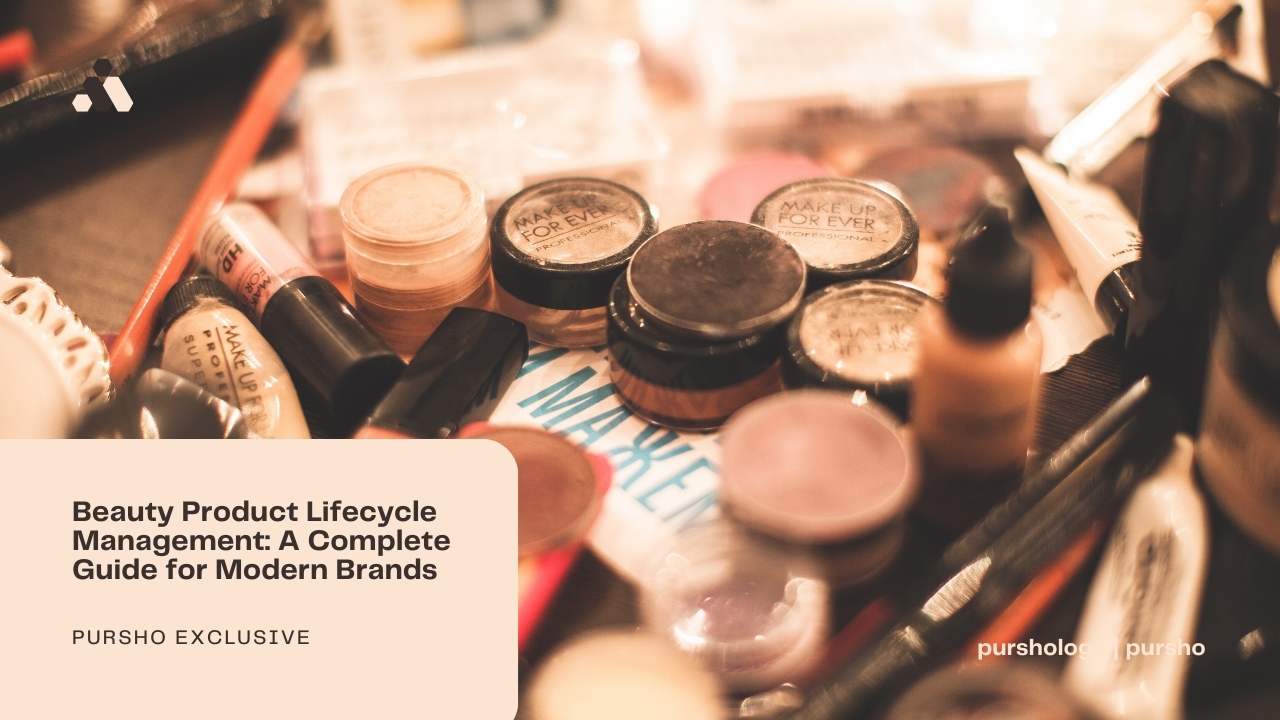
The beauty industry is evolving faster than ever. With changing consumer preferences, strict regulations, and increasing competition, managing products efficiently has become essential. This is where Beauty Product Lifecycle Management (PLM) comes into play.
In this guide, you’ll learn what beauty PLM is, its stages, benefits, and why it is crucial for cosmetic brands today.

What is Beauty Product Lifecycle Management?
Beauty Product Lifecycle Management refers to managing every stage of a beauty product’s journey—from idea and formulation to production, marketing, and eventual discontinuation.
In general, Product Lifecycle Management (PLM) is a structured approach that handles a product’s entire life, from concept to retirement, while integrating data, processes, and teams.
For beauty brands, PLM becomes even more critical because products involve:
- Complex formulations
- Regulatory compliance
- Packaging innovation
- Rapid trend cycles
A well-implemented PLM system ensures that all these elements work together smoothly.
Stages of Beauty Product Lifecycle
- Product Ideation & Research
This stage involves identifying market trends, customer needs, and product concepts. Brands analyze:
- Skincare trends
- Ingredients demand
- Competitor products
- Formulation & Development
Here, chemists and product developers create formulas, test ingredients, and ensure safety standards.
- Design & Packaging
Packaging plays a huge role in the beauty industry. Brands focus on:
- Visual appeal
- Sustainability
- Branding
- Manufacturing & Compliance
Products are manufactured while ensuring they meet safety and regulatory standards. PLM helps maintain documentation and compliance efficiently.
- Marketing & Distribution
Products are launched through various channels like eCommerce, retail stores, and social media campaigns.
- Product Maturity & Optimization
Brands collect feedback, improve formulations, and optimize pricing strategies.
- Decline or Re-launch
Products may be discontinued or upgraded based on demand and trends.
Why PLM is Essential for Beauty Brands
The beauty industry faces unique challenges such as short product cycles, high competition, and strict regulations. PLM helps brands stay competitive by managing all processes in one place.
It acts as a centralized system, ensuring that teams—from R&D to marketing—work with the same data and goals.
Key Benefits of Beauty Product Lifecycle Management
PLM streamlines workflows, allowing brands to launch products quickly.
- Improved Collaboration
Teams across departments can collaborate in real time, reducing delays and confusion.
- Better Product Quality
Issues can be identified early in development, ensuring higher-quality products.
- Cost Efficiency
By reducing errors and optimizing resources, PLM helps cut unnecessary costs.
- Regulatory Compliance
Beauty products must meet strict safety standards, and PLM helps maintain compliance documentation easily.
- Data-Driven Decisions
With all product data in one place, brands can make smarter decisions and improve performance.
How PLM Transforms the Beauty Industry
Modern PLM systems are digital and cloud-based, allowing brands to:
- Track product development in real time
- Manage global supply chains
- Respond quickly to trends
- Improve sustainability practices
In fact, PLM has become a game-changer for beauty and cosmetic brands, helping them innovate faster and stay ahead in a competitive market.
Challenges Without PLM
Without proper lifecycle management, beauty brands often face:
- Delayed product launches
- Poor communication between teams
- Compliance risks
- Increased production costs
- Inconsistent product quality
These issues can significantly impact brand reputation and profitability.
Learn More About Beauty PLM
If you want a deeper understanding of how PLM works specifically in the beauty industry.
Final Thoughts
Beauty Product Lifecycle Management is no longer optional—it’s a necessity for brands that want to grow and compete globally. From faster product launches to better quality and compliance, PLM helps streamline every aspect of product development.
As consumer expectations continue to rise, adopting PLM can give beauty brands a strong competitive edge and ensure long-term success.


