Healthcare organizations that serve seniors face a marketing challenge most other industries do not. The person researching and choosing the service is often not the person receiving it. Adult children search for care options on behalf of aging parents, which means every campaign needs to resonate with two distinct audiences at once.
Getting this wrong means burning budget on messaging that either talks over the heads of seniors or patronizes the adult children making the decision. Getting it right means meeting both audiences where they are and giving them the information they actually need.

Why Does Dual-Audience Messaging Matter So Much in Senior Healthcare?
Seniors aged 65 and older are far more digitally active than most marketers assume. Roughly 76% own smartphones, and the number using social media has climbed steadily year over year. But their adult children, typically in their 40s and 50s, are the ones doing the initial online search. They type queries like “best nursing homes near me” or “senior care options in New York” and expect to find detailed, trustworthy information quickly. Organizations that only market to one side of this relationship lose the other.
The solution is layered content. Your website needs clinical detail and accreditation information that satisfies the adult child doing due diligence. It also needs warm, approachable language and visual presentation that does not alienate the senior who may be reviewing the site alongside their family.
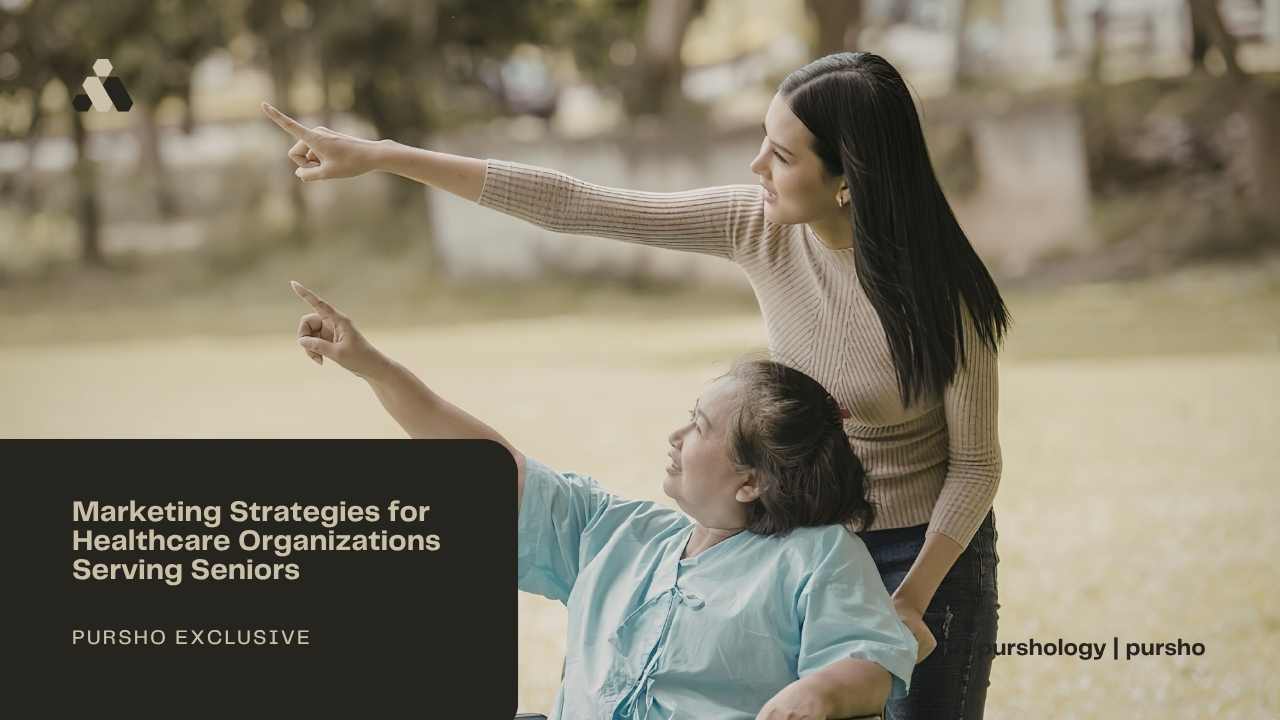
One common mistake is using stock photography that portrays seniors as frail or dependent. Today’s 70-year-old often self-identifies as far younger than their chronological age. Imagery that shows active, engaged people receiving care resonates better than photos that reinforce stereotypes about aging. The visual tone of your marketing sets expectations about the experience you provide.
How Should Senior Healthcare Organizations Use Content Marketing?
Content marketing for senior healthcare works best when it answers real questions that families are already asking. “How do I know when my parent needs more help than I can provide?” is a question thousands of people search every month. An article that answers it with honest, specific guidance builds trust before the reader ever contacts your organization.
The content should reflect your actual services without reading like a sales page. If your organization offers home care, rehabilitation, and long-term nursing care, create separate content pathways for each. A family researching short-term rehab after a hip replacement has completely different concerns than one looking at long-term memory care.
Google’s ranking algorithms reward content that demonstrates genuine expertise. In healthcare, that means content written or reviewed by credentialed professionals carries more weight than generic marketing copy. Including author bylines from your medical director or clinical staff signals authority to both search engines and the families reading the material.
What Topics Generate the Most Engagement?
Practical guides outperform promotional content almost every time. Topics like “What Questions to Ask on a Nursing Home Tour,” “Understanding Medicare Coverage for Home Health Aides,” and “Signs Your Parent May Need Memory Care” attract search traffic from people actively making decisions. These readers convert at higher rates than those who land on a generic homepage because they arrived with a specific need your content already addressed.
What Digital Channels Work Best for Reaching Families of Seniors?
Paid search remains the highest-intent channel for senior healthcare marketing. When someone searches “nursing home admissions [city],” they are far along in the decision process. Appearing in those results with a strong landing page that includes virtual tour options, staff credentials, and a simple contact form captures leads that are ready to act.
Social media plays a different role. Facebook reaches both seniors and their adult children effectively, making it the strongest organic platform for this audience. Instagram works for showcasing facility life, staff interactions, and community events in a visual format that communicates culture better than text alone. Video walkthroughs of facilities, resident testimonials with family consent, and educational clips about care topics consistently outperform static image posts.
Email marketing remains underused in senior healthcare. A monthly newsletter to families of current residents keeps your organization top of mind for referrals. A nurture sequence for website inquiries that did not convert immediately gives families the space to make a decision on their own timeline while keeping your organization in the conversation. These are low-cost touchpoints that compound over time.
How Do Online Reviews and Reputation Shape Senior Care Decisions?
In senior healthcare, online reviews carry disproportionate weight because the stakes are personal. A family choosing a care provider for a parent is making one of the most emotionally loaded decisions of their lives. A string of positive Google reviews with specific details about staff compassion, facility cleanliness, and communication quality can tip the decision. A single unresolved negative review can eliminate your organization from consideration.
Proactive reputation management means asking satisfied families to share their experience, responding thoughtfully to negative feedback, and monitoring review platforms consistently. CMS star ratings on Medicare.gov also influence decisions, especially among adult children who research quantitative quality metrics before scheduling a visit.
What Offline Strategies Still Work for Marketing to Seniors?
Direct mail still performs well with the senior audience. A well-designed brochure that arrives at the right time, perhaps triggered by a hospital discharge or a community health event, reaches people who may not start their search online. The key is integration. Direct mail should drive recipients to a specific landing page or phone number where the conversation continues with the same tone and information the printed piece established.
Community partnerships with hospitals, physician groups, and senior centers create referral pipelines that no digital ad can replicate. A discharge planner at a local hospital who knows your organization and trusts the quality of care will send families your way far more effectively than any pay-per-click campaign. Building those relationships takes time, but they produce the most reliable and cost-effective patient acquisition over the long term.
Community events also build awareness in ways advertising cannot. Hosting a free blood pressure screening, a caregiver support group, or an educational seminar on Medicare benefits positions your organization as a resource rather than just a provider. Families remember the organization that helped them understand their options before they needed to make a decision.