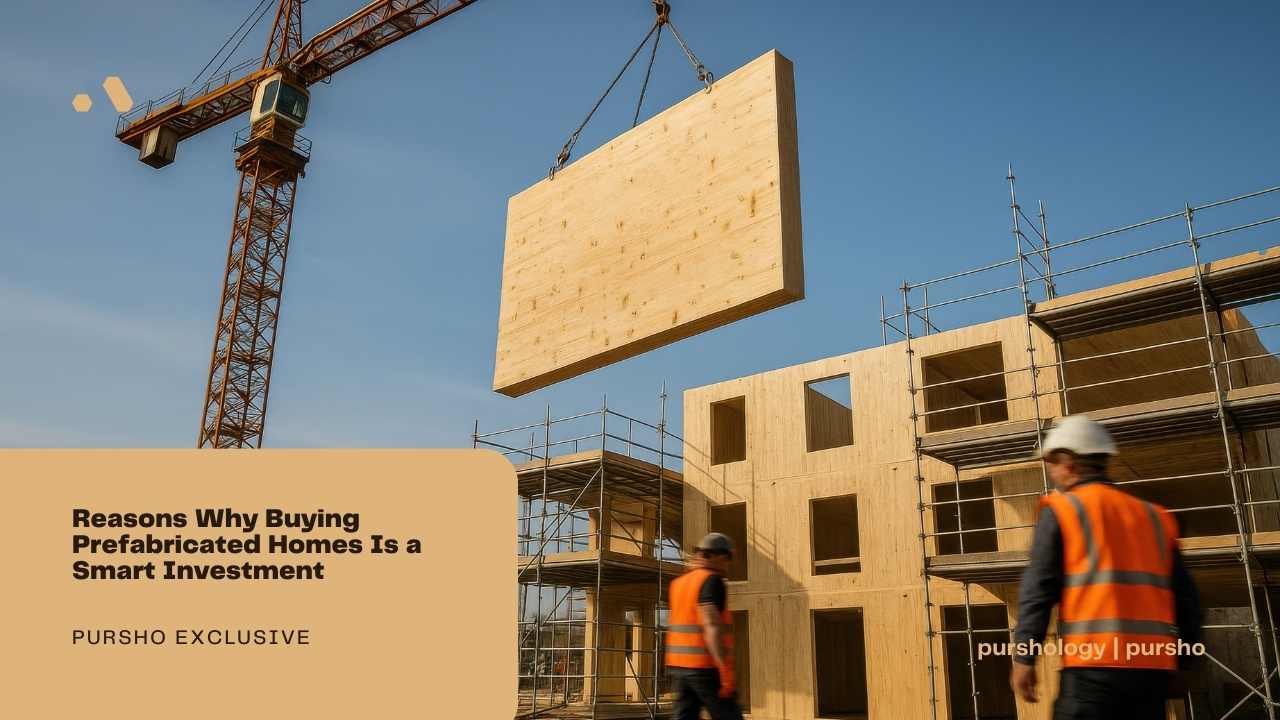
The housing market has changed dramatically over the last decade, and buyers are no longer limited to traditional, time-consuming construction methods. Prefabricated homes have moved from being a niche option to a mainstream solution for people who want affordability, efficiency, and long-term value. Whether you are a first-time buyer, an investor, or someone looking for a faster way to own property, prefabricated housing offers a combination of cost control, sustainability, and modern design that is hard to ignore. Below, we explore the key reasons why choosing a prefabricated home is not just convenient, but also a smart financial and lifestyle investment.
Cost Efficiency and Predictable Budgets
One of the strongest reasons to invest in prefabricated homes is cost efficiency. Traditional construction often comes with hidden expenses, delays, and fluctuating material prices that can quickly push a project over budget. With prefabricated construction, most of the building process happens in a controlled factory environment, where materials are purchased in bulk and labor is optimized. This approach significantly reduces waste and unexpected costs.

Because the home is manufactured before it reaches your land, you get a clearer, more predictable price from the beginning. There are fewer weather delays, fewer subcontractor complications, and much less risk of last-minute changes that drive up expenses. In many cases, buyers find they can afford a higher-quality home for the same budget they would spend on a smaller traditional build.
Strong Market Appeal and Long-Term Value
From an investment perspective, market appeal matters just as much as construction quality. Prefabricated homes continue to gain acceptance among buyers, lenders, and developers. As technology improves and housing shortages increase, more people view prefabricated housing as a practical and desirable solution rather than an alternative.
Homes built in factories must meet strict building codes and safety standards, which reassures both owners and future buyers. Financing options have also improved, making these properties easier to purchase and refinance. As awareness grows, demand follows, and demand supports property value.
Investors also benefit from the scalability of prefabricated construction. Whether you want a single-family home or multiple units, prefabrication allows consistent quality across projects. Even the term innovative modular homes has become associated with smart planning, modern architecture, and efficient development. This positive perception helps ensure that prefabricated properties remain competitive in the real estate market for years to come.
Faster Construction and Quicker Returns
Time is money, especially in real estate. One major advantage of prefabricated homes is the speed of construction. While traditional builds can take many months—or even more than a year—prefabricated homes are often completed in a fraction of that time. Since modules are produced indoors while site preparation happens simultaneously, the entire process moves much faster.
For homeowners, this means less waiting and fewer rental or temporary housing costs. For investors, it means a quicker path to rental income or resale. A shorter build time allows you to enter the market faster and start generating returns sooner.
The factory setting also ensures consistent quality control. Every part is built under the same conditions, using precise measurements and standardized processes. This reduces errors that might otherwise require costly fixes later.
Sustainability and Energy Performance
Sustainability is no longer just a trend; it is an important factor in property value and long-term savings. Prefabricated homes are designed with environmental performance in mind. Because components are produced in factories, material waste is minimized, and leftover resources are often recycled instead of thrown away.
Energy efficiency is another major benefit. Many prefabricated homes include advanced insulation systems, airtight construction, and modern window technologies that help regulate indoor temperatures. This reduces heating and cooling costs throughout the year, lowering monthly utility bills and your overall carbon footprint.
Design Flexibility and Modern Living
A common misconception is that prefabricated homes all look the same. In reality, modern prefabricated construction offers impressive design flexibility. Buyers can choose from a wide range of layouts, architectural styles, finishes, and upgrades. From minimalist urban designs to spacious family homes, prefabricated options now match contemporary living standards.
Because everything is planned digitally before production, customization becomes more precise. You can adjust room sizes, window placements, materials, and interior features without the chaos of on-site experimentation. This leads to better space utilization and fewer compromises.
Buying a prefabricated home is no longer just about convenience—it is about making a smart, future-focused investment. Whether you plan to live in your property or use it as an income source, choosing this construction method allows you to maximize value while minimizing unnecessary risks. As housing continues to evolve, prefabricated homes stand out as a practical and forward-thinking choice for modern investors and homeowners alike.