

A business website rarely stands still. A product catalog expands, customers place more orders, and new integrations connect the store to inventory or accounting software. Over time, the hosting setup needs to support more than the pages visitors see.
CloudVPS offers shared hosting, VPS/VDS, cloud solutions, and dedicated servers for business websites, online stores, and web applications. Businesses can choose infrastructure for their project and discuss the administration and support services they need.

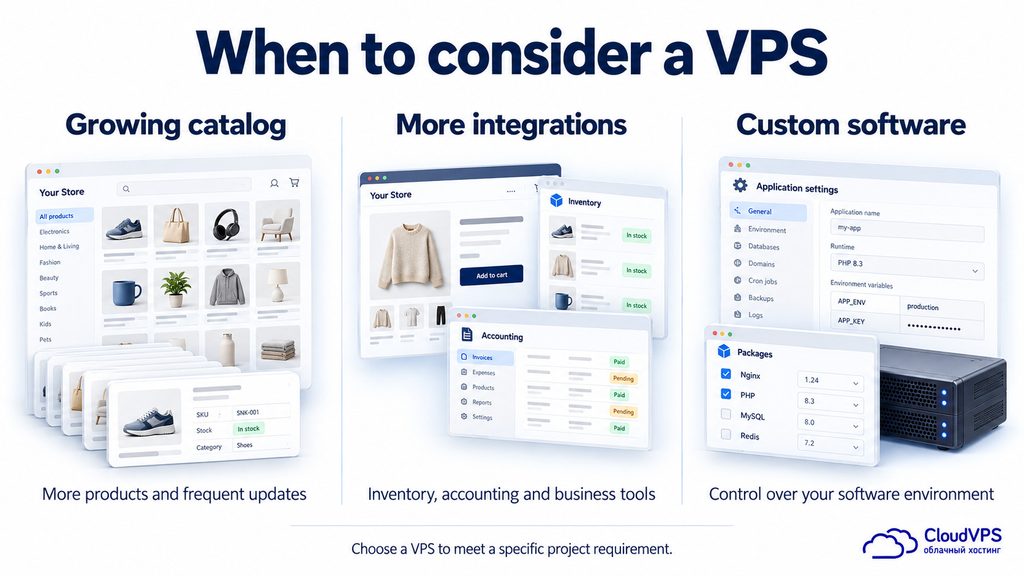
Image 1: Server racks beside a laptop displaying an online store
When a Business Website Needs a VPS
Shared hosting can be a practical choice for a straightforward company website. A VPS becomes worth considering when a project needs more control over its software, server settings, or available resources.
For an online store, that decision may follow a growing catalog, more frequent inventory updates, or additional integrations. A business application may need software that the current hosting plan does not support. An agency may want to manage several client projects within a server environment it controls.
Moving to a VPS should address a specific requirement. It does not automatically fix slow database queries, oversized images, or poorly configured plugins. Those issues still need attention.
What CloudVPS Offers for Virtual Server Projects
CloudVPS lists NVMe storage and root access among the features of its VPS service. Root access gives administrators control over the server’s software and configuration, which is useful when a project needs a particular application stack.
CloudVPS also lists a seven-day trial for legal entities and individual entrepreneurs, activated through its sales department. This gives eligible businesses an opportunity to assess a configuration with their own project before committing to ongoing use.
A useful trial should reflect everyday work. For a store, that means checking product searches, category filters, checkout, and inventory imports. For a corporate site, it may mean testing forms, the content management system, and connections to other business tools.
Choosing Resources Around the Workload
The right configuration depends on what the website actually does. Visitor numbers alone do not show how much work the server handles.
A small store with frequent stock updates can have different requirements from a larger catalog that changes only occasionally. Background tasks, database activity, and the software running alongside the website also matter.
Before selecting a plan, prepare a short list:
- The website platform and any required applications.
- Current storage use and expected catalog growth.
- Regular imports, exports, and other scheduled tasks.
- Busy periods, such as promotions or seasonal sales.
- Who will manage updates, security, and recovery.
This makes discussions with the hosting provider more useful and helps avoid choosing a plan solely by price.
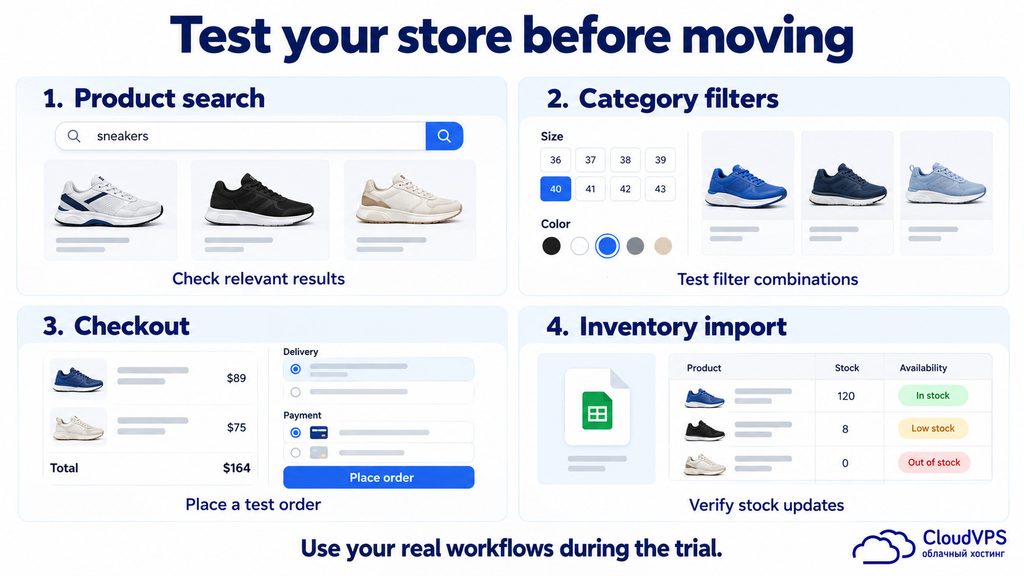
Image 2: Workstation with server monitoring, an online store catalog, and a backup storage device
Administration and Backups Deserve Equal Attention
Server access brings responsibility for maintaining the environment. CloudVPS offers administration services and ispmanager licenses, so businesses can discuss which tasks they want to handle themselves and which require provider assistance.
The scope matters. A control panel can simplify routine operations, but it does not replace a clear agreement about software updates, troubleshooting, and security maintenance.
CloudVPS states that its VPS service includes an automatic full-server backup once a week, with restoration available through the customer account. For a store receiving orders every day, it is worth discussing more frequent copies and an application-level backup schedule. The recovery plan should reflect how much recent information the business can afford to lose.
Planning a Move and the Next Stage
CloudVPS advertises free website migration. Before arranging a move, businesses should clarify which websites, databases, and related settings are included, and agree on how the transferred project will be checked.
For an active store, testing should cover checkout, customer notifications, and external integrations. A migration is complete when those business functions work as expected.
CloudVPS brings several hosting options together for businesses with different infrastructure needs. Its VPS offering is particularly relevant to projects that need server-level control. Matching the configuration, administration scope, and backup routine to the website’s daily work is the practical basis for choosing a suitable setup.