Have you ever wondered how small businesses can keep up with modern financial demands without getting buried in paperwork? The ACA Certificate Level study gives owners the solid fundamentals they need to adapt quickly. It also helps answer a simple but important question many entrepreneurs often ask: What is Accounting in a world where automation seems to handle so much? At its heart, accounting is still the story of money in and money out. What has changed is how that story is told. With automation, small firms now enjoy clearer records, faster processes, and smarter decisions that build trust and efficiency.
This blog explores how automation is redefining accounting and why it matters for small business growth.
Table of Contents

- How to Start Small and Scale Automation
- How Automation is Changing the Face of Small Business Accounting
- Conclusion
How to Start Small and Scale Automation
Start with one area. Bank feeds and OCR are easy wins. Then add invoicing with reminders. Next, move payroll into the same system. After that, build short real time dashboards for sales and cash flow. Keep the rhythm steady. One improvement each week. Track hours saved. Track errors reduced. Share the wins with your team. People support change when they can see the benefit. Your finance process will become faster, clearer, and easier to trust.
How Automation is Changing the Face of Small Business Accounting
Automation is no longer a luxury for small firms; it has become a vital tool that saves time and boosts accuracy. Below are the ways automation is shaping accounting practices today:
Cloud Accounting Automation for Small Businesses
Modern cloud accounting gives owners a single place to see money, bills, and tax. You can share access with your adviser in seconds. Updates land in real time. Backups happen without effort. The biggest win is simple. Less time on admin. More time on customers. Choose accounting software that connects to your bank, your till, and your store. Look for mobile apps that capture receipts. Test support and training before you commit. A tidy system builds habits that make year-end calm and tidy.
Bookkeeping Automation with Bank Feeds and OCR
Clean bookkeeping is the base for every insight. Bank feeds pull transactions into your ledger each day. Rules then code common items for you. OCR reads receipts and invoices from photos and files. The system suggests matches against bank lines. You check and confirm. Errors fall. Speed rises. You can spot missing bills early. You can close the month in hours, not weeks. These small wins free cash and cut stress. They also improve your tax return accuracy.
Smart Invoicing and Faster Cash Flow
Late payments hurt small firms. Smart invoicing helps fix that. Create branded invoices from your phone or laptop. Add payment links that accept cards or bank transfers. Set polite reminders on a simple schedule. Use clear terms that fit your sector. Track cash flow daily with a short list of who owes and who needs chasing. Pair this with expense management rules so costs are coded quickly. Owners then see a live picture of health. Decisions get easier. Pressure drops.
Real Time Reporting and Better Decisions
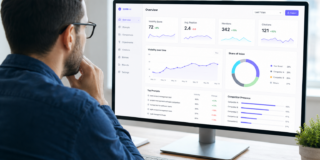
Automation makes data analytics practical for small teams. Dashboards show sales, margin, and cash at a glance. Use short, plain reports for weekly decisions. What moved. What lagged. What needs action. Forecasting is simpler too. Tools project cash flow from orders, invoices, and bills. You can test what if scenarios in minutes. Hire now or next quarter. Buy that van or lease it. Simple, clear real time views turn numbers into choices. People trust plans they can see.
Payroll Automation and HMRC Compliance
Paying people should be smooth and fair. Payroll tools link timesheets, leave, and pay in one place. They file reports to HMRC on time. They calculate learner loans and pensions. Team can view pay slips in a secure portal. Owners avoid last minute scrambles. Pair payroll with accounting software so costs flow into the ledger without retyping. Check that updates arrive when rules change. Good compliance builds trust with your team and with your regulator.
VAT Returns and Making Tax Digital
VAT errors are expensive. Automation reduces the risk. Keep a clean digital record of every sale and purchase. Map tax codes to products and services. Let the system apply the right rate as you trade. Filing through Making Tax Digital becomes routine. You review a neat summary and submit. For peace of mind, reconcile VAT control accounts each month. Simple checks catch mistakes early. This saves money and time. It also keeps your business ready for growth.
Data Security and Ethical AI in Accounting
Automation uses data, so protection matters. Choose tools with strong encryption and clear access controls. Turn on multi-factor sign in. Set roles so users see only what they need. Review access each quarter. Many platforms now offer AI features that predict categories or flag errors. Use them for ideas, not for blind approval. Keep human review where judgement counts. Ethical AI is simple to explain. It should save time and reduce mistakes while you stay in control.
Conclusion
Automation gives small firms control and calm. It turns daily bookkeeping into a simple habit. It improves cash flow, VAT accuracy, and HMRC readiness. It also creates clear reports that guide real choices. If you want friendly learning that blends practice with support, MPES Learning offers paths that help busy owners build confidence fast. Pick one action from this guide today. Measure the time it saves. Share the win with your team. Your numbers and your focus will both improve.