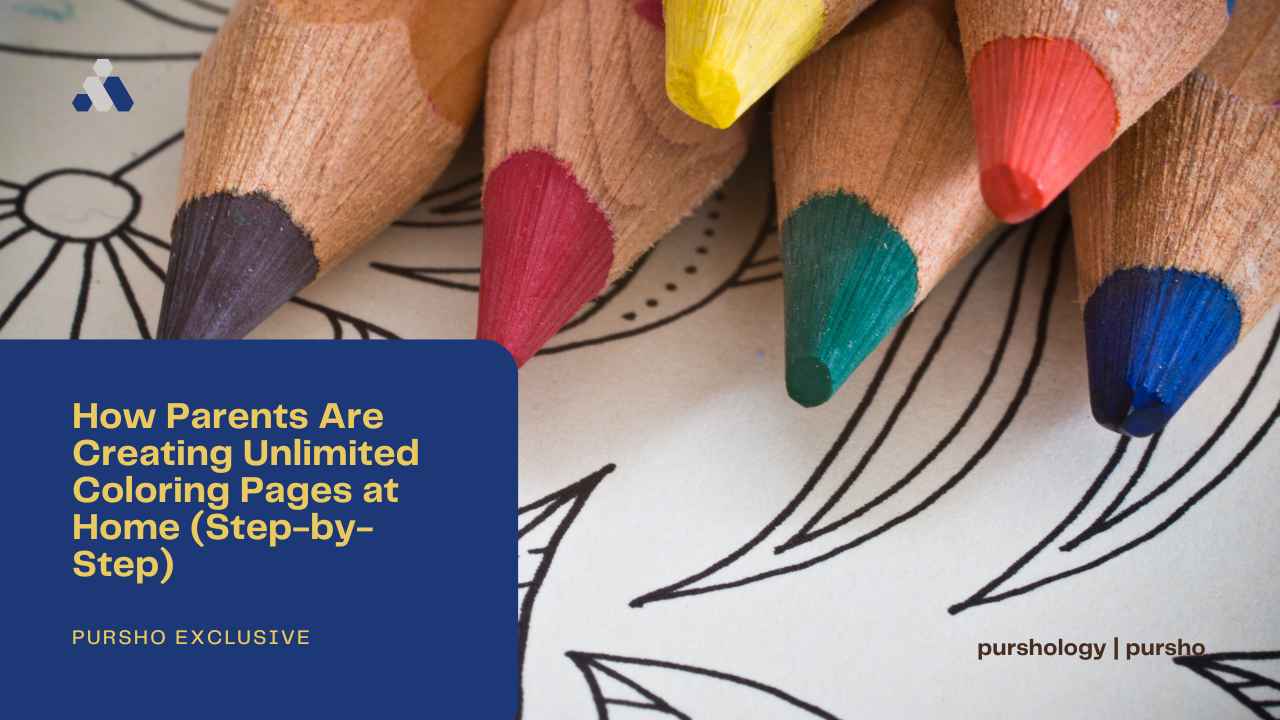
A rainy Saturday, three restless kids, and one printer that never runs out of paper—that combination sounds like chaos until you have a steady supply of coloring pages ready to go. Instead of hunting through the same tired printable packs online, parents and teachers are now typing a short description and watching a brand-new page appear on screen in seconds, and getting from a blank idea to a printed page takes just a few simple steps. Banana Pro AI makes this possible by turning simple text prompts or uploaded photos into clean, printable line art that kids can color again and again without ever seeing the same picture twice, which means an activity drawer that used to run dry by Wednesday can now stay full all month long.
I. Turn Any Idea Into a Printable Coloring Page in Minutes
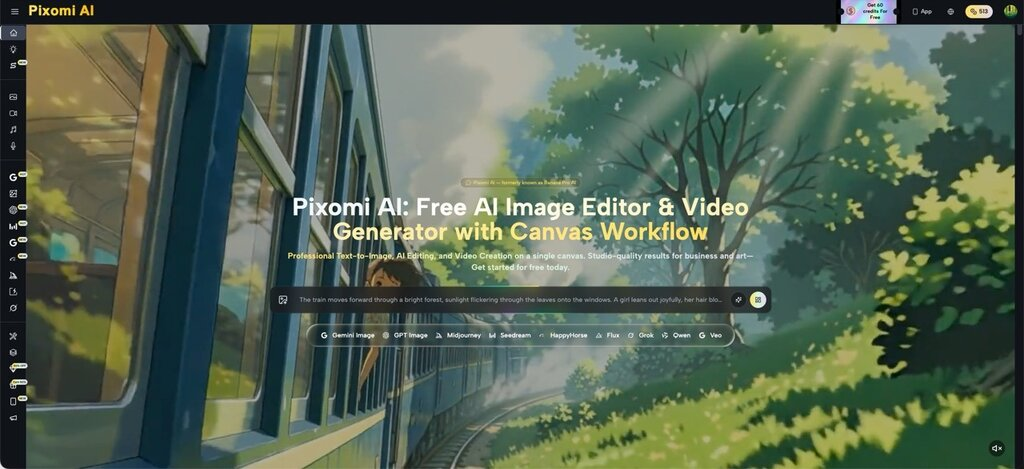
Coming up with fresh coloring page ideas every week gets tiring fast, but the process becomes almost effortless once a description is all that’s needed. Type something as simple as “a friendly dinosaur riding a skateboard, bold outlines, no shading” and a finished, print-ready page appears in roughly eight to twelve seconds through the Text to Image tool built into the platform.
Because generation happens quickly, several variations can be produced back to back, letting a parent or teacher pick the composition that best matches the paper size and the child’s age. Younger kids do better with thicker outlines and fewer small details, while older children enjoy busier scenes with multiple characters and props—both are achievable simply by adjusting the wording of the prompt. A request for “a castle with three towers, simple shapes, thick lines for a five-year-old” produces something very different from “a detailed medieval castle with knights, banners, and a dragon in the sky,” and switching between the two takes only a rewritten sentence, not a new search across dozens of printable sites.
This flexibility also solves a common problem for anyone running a themed week at home or in a classroom—dinosaurs on Monday, ocean animals on Tuesday, space on Wednesday—without ever repeating a single sheet or scrambling to find matching designs from three different sources.
II. From Photo to Page: Personalizing Coloring Sheets With Image to Image
Generic templates are fine for a quick activity, but personalized pages tend to hold a child’s attention much longer, and this is where the tool starts to feel less like a generator and more like a family project.
- Upload a Family Photo or Pet Picture
The Image to Image feature accepts an uploaded photo—a family portrait, a pet, or even a favorite toy—and converts it into simplified line art suitable for coloring. The core subject stays recognizable while shading and color are stripped away, leaving clean, closed outlines that a crayon or marker can fill in without bleeding across the page. A photo of the family dog mid-jump, for instance, becomes an outline a child can recognize instantly and color the way they actually see their pet, rather than picking the closest generic template from a stock library.
- Turn Birthdays and Holidays Into Custom Templates
The same feature works well for seasonal projects. A photo from last year’s birthday party, a snapshot from a school trip, or a holiday card design can all be reworked into an outline sheet, giving kids something to color that actually connects to a memory rather than a random stock illustration. Grandparents visiting for the holidays, a sibling’s first day of school, or a family vacation photo can all become a coloring page that doubles as a small keepsake once it’s colored in and taped to the fridge.
III. Building a Full Coloring Book Without Repeating Designs
One page is fun for an afternoon, but a themed set turns into an entire activity book, and repetition is the biggest risk when producing several sheets at once with most generators.
- Use Style Presets to Match Different Themes
Style Transfer & Presets let each page carry a distinct look—soft cartoon lines for toddlers, more intricate patterns for older kids who want a bigger challenge, or a consistent theme across a whole set, such as an under-the-sea book or a space-exploration series. Switching between styles takes seconds and keeps every page visually connected without looking identical. A twelve-page underwater adventure book, for example, can mix a simple starfish for a toddler with a detailed coral reef scene for an older sibling, and both pages still feel like they belong to the same set once printed and bound together.
- Save and Organize Pages With the Smart Asset Library
Once a batch of pages has been created, the Smart Asset Library keeps track of every prompt and output, so a favorite design from three weeks ago can be found and reused instead of recreated from scratch. This matters for teachers building recurring classroom activities or parents who want to reprint a well-loved page after it gets torn or colored one too many times. A teacher planning a monthly newsletter of printable activities, for instance, can pull from a growing library instead of starting the search over every single time a new theme comes up.
IV. Printing, Sizing, and Getting the Best Results
A coloring page is only useful if it prints clearly, and a few practical details make a noticeable difference in the final result once the file leaves the screen and heads to the printer.
- High-Resolution Output for Sharp Lines
Images generated through Banana Pro AI come out at resolutions suitable for both screen viewing and print, with sharp, well-defined lines that hold up on standard printer paper. Crisp outlines matter more than color depth here, since the goal is a page that stays legible after being run through a home printer rather than a professional press. Thin, wobbly lines tend to fade or blur once printed at home, so requesting “bold outlines” or “thick lines” in the prompt itself usually produces a page that holds its shape much better on regular paper.
- Commercial Rights for Classroom and Shop Use
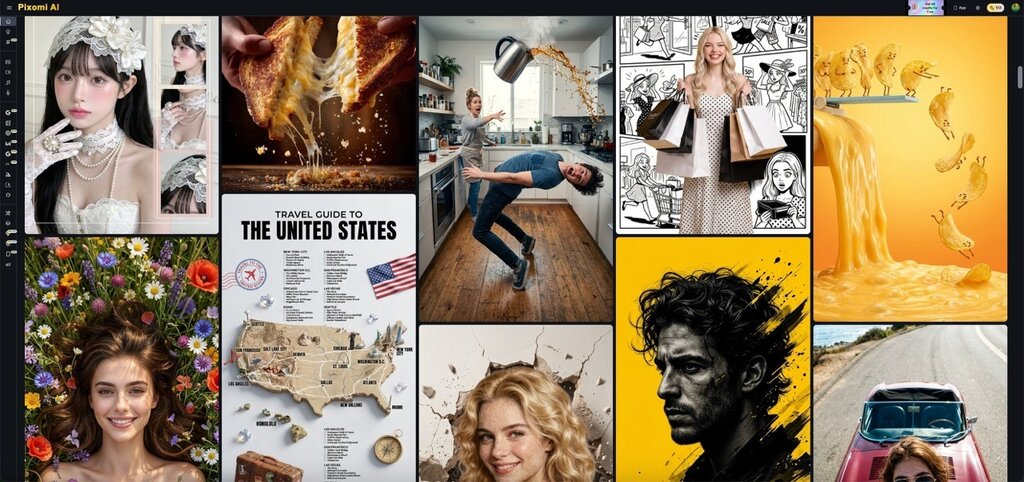
Every image produced comes with full commercial usage rights included, which matters for teachers preparing worksheets, daycare staff building activity packets, or small shop owners selling printable activity sets. There is no need to track licensing terms or worry about restrictions before handing out a page in a classroom or including it in a paid product bundle sold through an online shop or a printable marketplace.
V. Making Screen Time Work for Family Time
The real win here isn’t just having more paper to color—it’s turning a few minutes of typing into hours of quiet, screen-free focus for a child who just wants something new to draw with. A birthday photo becomes a keepsake page, a favorite cartoon idea becomes an original scene, and a rainy afternoon stops being a scheduling problem and starts being an opportunity. The next time the “I’m bored” complaint starts, skip the search for printable packs online and create something that actually belongs to your family—one prompt, one photo, one page at a time, until the drawer that used to run dry by Wednesday never runs out again.