
Search engine optimization (SEO) is essential for businesses that want to improve their online visibility, attract potential customers, and generate consistent organic traffic. A well-optimized website helps search engines understand its content while providing visitors with useful information and a better browsing experience.
However, SEO involves more than adding keywords to web pages. Businesses must focus on content quality, technical performance, website structure, and user experience to achieve sustainable results. Here are 15 SEO optimization techniques every business should know.
1. Conduct Thorough Keyword Research
Keyword research helps businesses understand what their target audience searches for online. Identify relevant search terms using keyword research tools and prioritize phrases that match your products, services, and customer needs.
Consider search intent, competition, and keyword relevance before targeting a phrase. Long-tail keywords can also help businesses reach users looking for specific information or solutions.
2. Optimize Page Titles
Page titles help search engines and users understand what a page covers. Create unique, descriptive titles that include the primary keyword naturally without making them repetitive or misleading.
Use the best SEO tools to identify relevant keywords and optimize titles naturally while keeping them clear and compelling.
3. Create High-Quality Content
Useful content is one of the foundations of effective SEO. Publish informative articles, guides, product descriptions, and resources that address your audience’s questions.
Focus on accuracy, clarity, originality, and practical value. Avoid creating pages solely to target keywords, as content should primarily help visitors accomplish their goals.
4. Improve On-Page SEO
On-page optimization involves improving individual web pages to make their topics clear to search engines and users.
Include relevant keywords naturally in headings, introductory paragraphs, image descriptions, and page content where appropriate. Use descriptive URLs and organize information with clear headings to improve readability.
5. Build a Strong Internal Linking Structure
Internal links connect related pages within your website. They help visitors discover additional resources and enable search engines to understand the relationship between different pages.
Link relevant blog posts to service pages, supporting guides, and related articles. Use descriptive anchor text that explains what users can expect from the destination page.
6. Optimize Website Loading Speed
Slow websites can frustrate visitors and negatively affect user experience. Improve performance by compressing images, reducing unnecessary scripts, enabling browser caching, and using efficient hosting.
Tools such as Google PageSpeed Insights can help identify performance issues and suggest improvements.
7. Make Your Website Mobile-Friendly
Many users browse websites through smartphones, making mobile usability essential. Ensure that your website adapts to different screen sizes and that text, navigation menus, forms, and buttons remain easy to use.
Test important pages on mobile devices and resolve layout problems that could prevent visitors from accessing information.
8. Earn Quality Backlinks
Backlinks from relevant, trustworthy websites can support your website’s authority and discoverability. Businesses can earn them by publishing valuable research, creating useful resources, contributing expert insights, and building genuine industry relationships.
Prioritize relevance and editorial quality rather than pursuing large numbers of low-quality links.
9. Optimize Images
Large or poorly optimized images can slow down a website. Compress image files, select appropriate dimensions, and use modern image formats when supported.
Add descriptive alternative text to meaningful images so that users who rely on assistive technologies can understand their content. Relevant filenames and surrounding text can also help search engines interpret images.
10. Improve URL Structure
Simple, descriptive URLs make pages easier to understand and share. Use concise words that reflect the page’s subject, and avoid unnecessary parameters or complicated strings when possible.
Maintain a consistent URL structure across your website. If you change an existing URL, implement an appropriate redirect to preserve access to the old address.
11. Implement Technical SEO
Technical SEO helps search engines crawl, render, and index your website. Check for broken links, incorrect redirects, duplicate pages, and accidental indexing restrictions.
Maintain an accurate XML sitemap and review your robots.txt file. Google Search Console can help you monitor indexing issues and understand how Google accesses your website.
12. Optimize for Search Intent
Search intent refers to the purpose behind a user’s query. Some people want information, while others are comparing products or looking to make a purchase.
Create content that matches the intent of your target keywords. For example, an informational query may require a detailed guide, whereas a commercial query may be better served by a comparison page.
13. Use Structured Data Where Appropriate
Structured data helps search engines interpret specific information on a webpage. Depending on the content, businesses may use supported schema types for products, organizations, articles, or local businesses.
Implement the appropriate markup and validate it using Google’s Rich Results Test when applicable. Structured data does not guarantee enhanced search results, but correct implementation can make eligible pages easier for search engines to understand.
14. Strengthen Local SEO
Local SEO helps businesses reach customers searching for nearby products and services. Keep your business name, address, phone number, operating hours, and other important details accurate across relevant platforms.
Create and maintain a Google Business Profile if eligible, encourage genuine customer reviews, and develop useful location-specific website content where appropriate.
15. Monitor SEO Performance Regularly
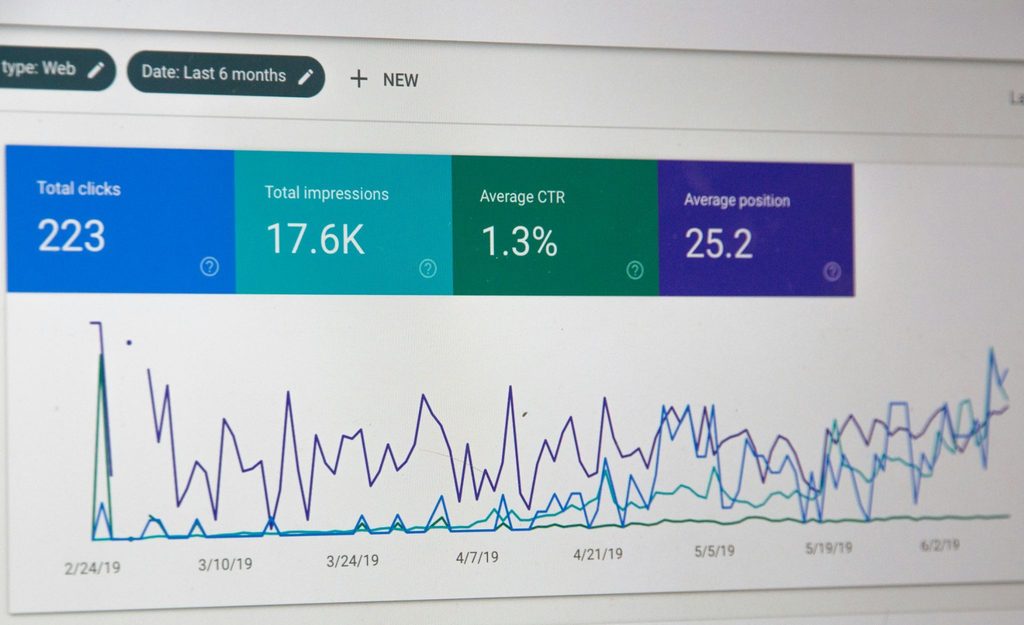
SEO requires ongoing measurement and improvement. Track organic traffic, search impressions, clicks, relevant keyword performance, and conversions to understand whether your efforts are working.
Use Google Search Console to review search performance and Google Analytics to analyze website engagement and conversions. Investigate changes in performance and prioritize improvements based on evidence rather than making random adjustments.
Conclusion
SEO optimization helps businesses build a stronger online presence, connect with their target audiences, and attract relevant organic traffic. From keyword research and content creation to technical improvements and backlink development, each technique contributes to a more accessible and useful website.
Businesses should begin by addressing the most important issues affecting their websites, then measure progress and refine their strategies over time. With consistent effort, a focus on user needs, and regular performance analysis, SEO can become a valuable part of long-term digital growth.