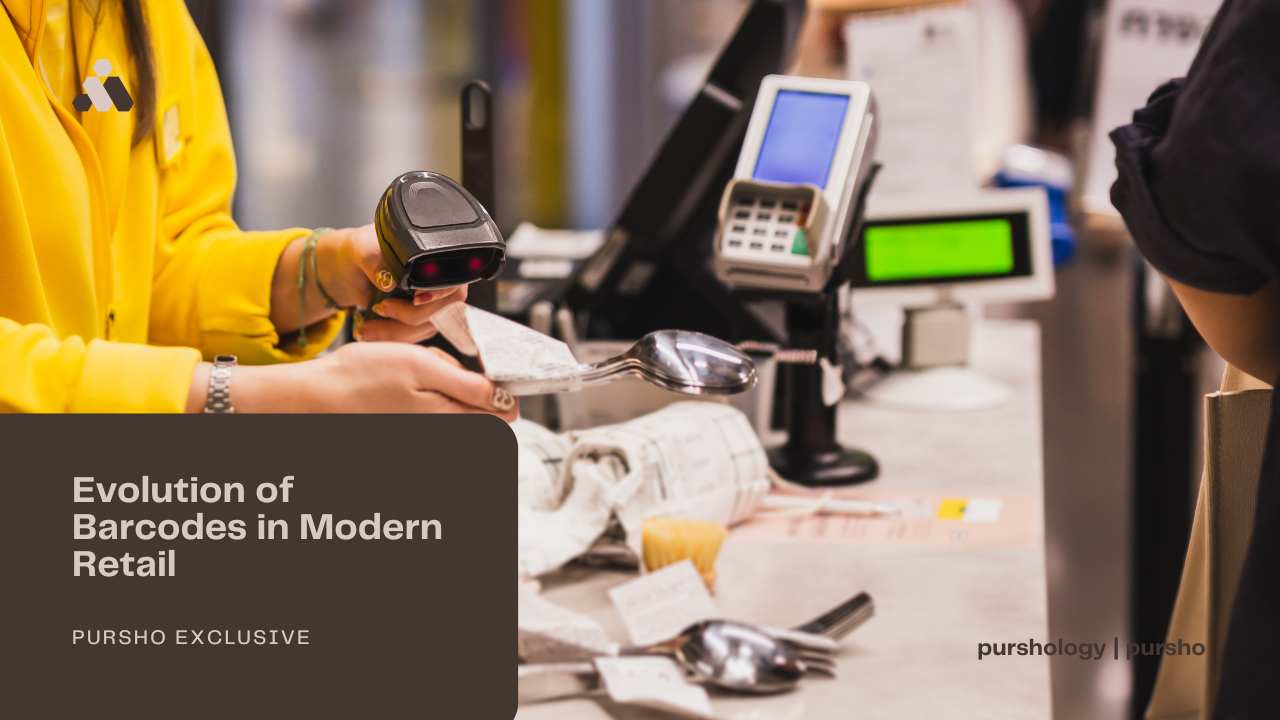
Standard barcodes have been a staple of the retail industry for many years, transforming how products are tracked, recorded, and purchased. When barcodes were first introduced, their no. 1 purpose of automating dispensing techniques by translating a sequence of black and white parallel stresses into a uniquely identifiable quantity This device allowed trading computers to immediately retrieve price statistics from relevant databases .As the generation has progressed, the requirements for the optical codes have changed significantly. Consumers and retailers now see barcode verification and expiration date systems as an important mechanism for ensuring food safety and reducing waste. While individual barcode structures were no longer designed to deal with dynamic statistics like refresh timelines, the commercial environment has advanced to integrate date tracking without delay in scan time .
Limitations of Traditional UPC Barcodes
To understand how state-of-the-art expiration testing works, it’s essential to look at the limitations of traditional Universal Product Codes, or UPCs. A classic UPC barcode is a static image that is issued all at once throughout the mass-produced product packaging agreement. As a result, each unmarried bottle of the chosen juice brand or each container of a particular medicine displays exactly the same barcode image regardless of when or in which it was manufactured .Because these traditional codes detect the simplest product type and manufacturer, they cannot determine the expiration date on a barcode test on their own. The barcode itself does not know when the individual item inside the package is sealed, or when it is broken. Using the old equipment, outlets rely entirely on human eyes analyzing printed text content on packaging for consumers to determine expiration dates, leaving plenty of room for oversight and error .

The Mechanism of 2D Barcodes and Data Matrix Codes
An alternative to the limitations of static codes is within the adoption of two-dimensional barcodes, such as GS1 DataMatrix codes, special QR codes, and unlike traditional linear barcodes, which best trade information horizontally, 2D barcodes each hold horizontal and vertical barcodes dash squares this makeco2. packaging allows weights of examples to hold more data in a significantly smaller body footprint.This multiple fact capability allows manufacturers to embed dynamic, changing information into code for each unique production set. When the product is packaged, the printer creates a very special 2D code, which contains the same old product identification with a special batch size and exact expiration date.
How Point of Sale Systems Automate Safety
Implementing 2D barcodes at the checkout fundamentally changes how grocery stores and pharmacies manage inventory and customer protection. When a cashier scans an item with an advanced GS1 barcode, the point-of-sale scanner reads all the built-in statistical streams simultaneously The gadget immediately decodes the product identity and pulls the price, as well as checking the expiration date string hidden within the display.The registration software immediately compares the decoded expiration date with the actual date observed through the trading community. If the software detects that the item is past its expiration date, it will stop the transaction, issue an audible warning, and display a warning message to the cashier.
Digital Pantry Management for Consumers
Benefits of barcode expiry date check the machine away from the supermarket checkout aisle without lingering in consumer kitchens. A style of mobile package now allows customers to use their smartphone camera as an advanced barcode scanner to manage their domestic stores. While ancient apps required users to manually punch in dates after scanning a smart barcode, modern apps can extract this record from objects using standard updated 2D codes .By scanning items as they are placed in a refrigerator or fridge, customers can create a comprehensive digital inventory of their household goods. In this day and age, families can plot meals around expired products, significantly reducing family food waste and saving money.
Transforming Global Supply Chains and Recalls
The ability to verify barcode compliance of logistics is revolutionizing how retailers and warehouse managers handle perishable inventory In large distribution facilities, automated scanning systems can read barcodes on incoming platforms and write them automatically using a single-end-out protocol This first ensures short the equipment is mapped first efficiency.In addition, this machine offers unmatched speed and accuracy as long as the product is recalled. If a manufacturer detects a contamination problem affecting a specific batch of food expiry tracker, they are able to trigger an emergency alert linked to the actual batch variety and expiration date code. Retailers can use their precious laptop networks to immediately flag the special codes so that the records are deleted worldwide to prevent the entry of one product group. safe for purchase innocent
Future Outlook of Smart Barcode Standards
The international retailer is currently on the verge of a massive technology update called Sunrise 2027, which aims to make 2D barcodes increasingly common on cash registers internationally. As this trend becomes ubiquitous, the ability to automate barcode verification and expiration dates will be a preferred feature in any retail environment .While text-based aggregate expiration stamps like “Best By” or “Use By” remain important for visibility and backup features, digital integration of dates into scannable codes marks a huge leap forward Smart packaging protects customer competence, streamlines corporate logistics, reduces product waste, and ensures safety the product transparency production unit floor directly to the dining table