
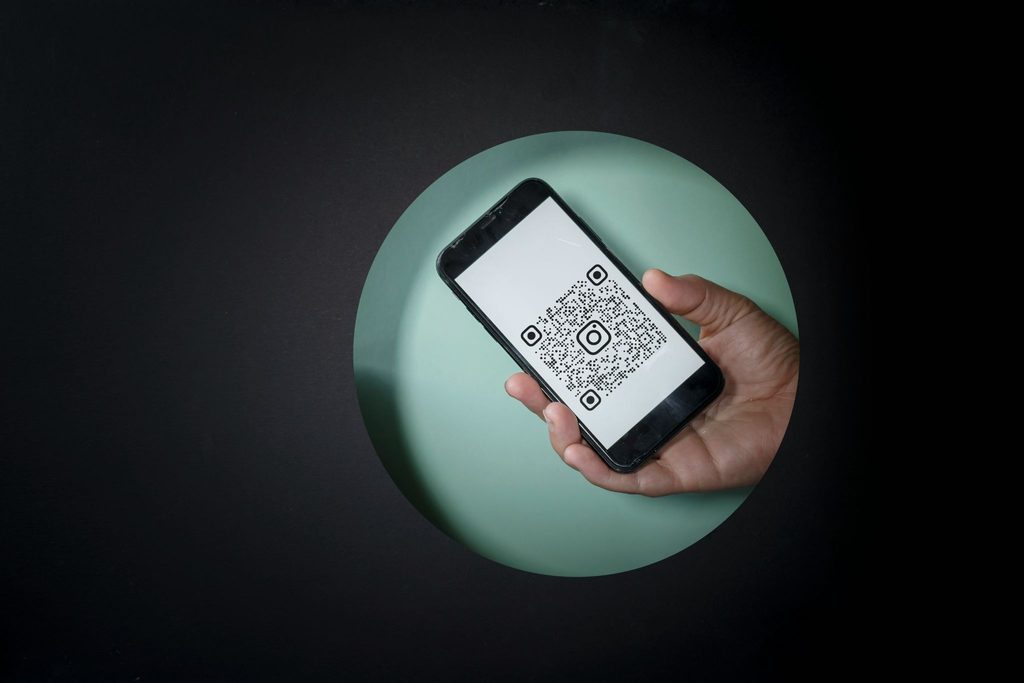
Modern marketing is constantly evolving as businesses look for innovative ways to connect with customers and improve engagement. QR code technology has become an effective tool for bridging the gap between traditional marketing and digital experiences. By allowing users to access online content with a simple scan, QR codes help brands deliver information, promote products, and encourage customer interaction.
From product packaging and print advertisements to restaurant menus and promotional campaigns, QR codes are transforming how businesses communicate with their audiences. Here are several ways this technology is reshaping modern marketing.
1. Connecting Offline Marketing with Digital Experiences
Traditional marketing materials such as flyers, brochures, billboards, and product packaging have limited space for detailed information. QR codes help overcome this limitation by directing customers to websites, landing pages, videos, or product catalogs.
For example, a retail brand can include a QR code on a printed advertisement that leads customers to an online store. Instead of manually searching for the product, consumers can access the relevant page instantly using their smartphones.
This connection between physical and digital channels makes marketing campaigns more interactive and convenient.
2. Improving Customer Engagement
Customer engagement is essential for building brand awareness and long-term relationships. QR codes encourage consumers to interact with marketing materials rather than simply viewing them.
Businesses can use QR codes to provide exclusive offers, product demonstrations, interactive content, and loyalty rewards. Restaurants can connect customers to digital menus, while event organizers can provide schedules, registration forms, and additional event information.
Whether you create a QR code with prompts like “Scan me,” “Connect with us on social,” or “Discover favorite recipes,” a clear call to action encourages consumers to scan and connect with your brand.
By making the next step simple and accessible, businesses can create more engaging customer experiences.
3. Simplifying the Customer Journey
A complicated customer journey can discourage potential buyers from completing an action. QR codes simplify the process by allowing customers to move directly from a physical marketing material to a relevant digital destination.
For instance, a QR code on a product display can direct shoppers to product specifications, customer reviews, or purchasing options. Similarly, a promotional poster can link directly to a registration page or special discount.
Reducing unnecessary steps helps customers find the information they need and makes it easier for businesses to guide them toward specific goals.
4. Supporting Personalized Marketing Campaigns
Personalization helps brands deliver more relevant experiences to different customer groups. QR codes can support this approach by directing users to content tailored to a particular product, location, campaign, or audience.
A clothing retailer might use separate QR codes for different product collections, while a travel company could provide destination-specific guides through printed advertisements.
Dynamic QR codes can also allow businesses to update the destination without changing the printed code, depending on the provider and implementation. This flexibility is particularly useful for campaigns that require frequent updates.
When used responsibly, these capabilities help marketers create more relevant experiences and adapt their campaigns to changing customer needs.
5. Measuring Marketing Campaign Performance
One of the biggest advantages of digital marketing is the ability to measure results. QR code campaigns can provide useful insights into customer interactions when the codes are configured with suitable tracking and analytics tools.
Marketers may be able to measure scan counts, scan times, campaign performance, and other available metrics. With appropriate analytics and consent practices, businesses can use this information to understand which marketing materials attract the most attention.
For example, a company can compare QR code engagement across product packaging, brochures, and event displays. These insights can help marketers identify effective placements and improve future campaigns.
However, scan data alone does not necessarily reveal purchases or prove that a campaign generated revenue. Businesses should connect QR code analytics with relevant website or conversion tracking when appropriate.
6. Enhancing Social Media and Brand Awareness
Social media plays an important role in modern marketing, and QR codes can make it easier for customers to discover a brand’s online presence.
Businesses can place QR codes on packaging, business cards, promotional merchandise, and in-store displays to direct customers to social media profiles, product videos, or branded content.
For example, a local business can include a QR code on its packaging that opens its Instagram profile. Customers can follow the account, explore new products, and stay updated on future promotions.
This approach creates another touchpoint between the business and its audience without requiring customers to search manually for the brand.
7. Making Promotions More Convenient
QR codes can simplify access to discounts, coupons, loyalty programs, and special offers. Instead of distributing complicated promotional instructions, businesses can use a scannable code to take customers directly to the relevant offer.
Supermarkets can display QR codes beside products to share digital coupons, while restaurants can use them to promote seasonal deals or reward returning customers.
Convenient access can encourage participation and make promotional campaigns easier to manage. Businesses should ensure that offers are clearly explained and that customers can access them without unnecessary steps.
Best Practices for Using QR Codes in Marketing
To achieve better results, businesses should follow a few practical guidelines:
- Use a clear call to action: Explain what customers will receive when they scan the code.
- Optimize landing pages for mobile: Ensure that the destination loads quickly and works well on smartphones.
- Choose the right placement: Display QR codes where customers can comfortably see and scan them.
- Test before publishing: Check that the code works across different devices and scanning conditions.
- Track meaningful results: Measure relevant engagement and conversions rather than relying only on scan counts.
- Prioritize trust and security: Use recognizable destinations and avoid misleading customers about where a code leads.
These practices help businesses create useful and trustworthy QR code experiences.
Conclusion
QR code technology is transforming modern marketing by connecting offline materials with digital content, simplifying customer interactions, and providing opportunities to measure campaign engagement. From personalized promotions to social media discovery, QR codes offer businesses a flexible way to reach customers across different channels.
As consumer expectations continue to evolve, companies can use QR codes to make marketing more interactive, accessible, and measurable. By combining clear calls to action, relevant content, mobile-friendly experiences, and effective analytics, businesses can make QR code technology a valuable part of their overall marketing strategy.