
Car detailing used to rely almost entirely on elbow grease. A bucket, a sponge, a can of wax, and a lot of time. Skill still matters, and it always will. But the tools behind a good detail have changed a lot in recent years. Today’s detailers use digital paint gauges, bright inspection lights, steam cleaners, water filtration systems, and booking software that runs the schedule. Some shops send photo reports to customers before and after the job. Others use coatings that bond to paint and last for years. Even water use has dropped. All of this means faster service, more consistent results, and less guesswork. For car owners, it also means less time waiting and better protection for the vehicle. This article looks at the smart technology changing modern car detailing, how each tool helps, and what it means for you the next time you book an appointment.
From Elbow Grease to Smart Tools
Detailing has always been about care and attention. What’s changed is how detailers measure, clean, and protect a vehicle.
In the past, a lot of the work depended on what a detailer could see in the shop’s lighting and feel with their hands. That worked, but results varied from person to person and car to car. Now, tools give detailers real measurements and better visibility. They can check paint depth, spot hidden scratches, and clean deep into fabric without soaking it.
Many shops offering car detailing fort lauderdale drivers book have added these tools to keep up with demand. Busy owners want quality work, but they also want it done on time and without surprises.
Online Booking and Automated Reminders
The first change most customers notice happens before the car even arrives.
Online booking lets you pick a service, choose a time, and pay or leave a deposit from your phone. No phone tag, no waiting on hold. Many systems also send automatic text or email reminders, which cuts down on missed appointments.
On the shop’s side, scheduling software helps plan the day. It shows which jobs need more time, which bays are open, and which staff members are available. That means fewer double bookings and fewer cars sitting around waiting to be worked on.
Some shops also use AI phone assistants or chat tools to answer common questions and book appointments after hours.
Digital Inspections and Photo Reports
Before work begins, many detailers now do a digital walk-around. They take photos of the paint, wheels, and interior, and note any existing scratches, dents, or stains.
This protects both sides. You know exactly what condition your car was in when you dropped it off, and the shop has a record if questions come up later. Some shops send these photos straight to your phone, along with after photos when the job is done.
It also makes recommendations easier to understand. Instead of hearing that your paint needs correction, you can see the swirl marks in a close-up photo.
Paint Thickness Gauges Remove the Guesswork
Paint correction means removing a very thin layer of clear coat to level out scratches and swirls. The problem is that clear coat is thin to begin with, and every car is different. Repainted panels can be thinner or thicker than factory paint.
A digital paint thickness gauge measures how much paint is on each panel. Detailers use it before polishing to decide how aggressive they can safely be. If a panel is already thin, they’ll use a lighter approach or avoid heavy correction there.
This one tool has made paint correction much safer. It helps prevent burning through the clear coat, which would mean a trip to the body shop.
Better Lighting Shows Hidden Defects
Many paint defects are hard to see under normal light. Swirl marks, fine scratches, and polishing haze often only show up in direct sun.
Modern detailing shops use bright LED lighting with specific color temperatures to show what’s really on the surface. Handheld inspection lights, often called swirl finders, let detailers check each section as they work.
Better lighting means fewer missed spots and a more even finish. It also lets the detailer check their own work before you see it.
Modern Polishers Speed Up Paint Correction
Polishing by hand takes a long time and rarely gives perfect results. Machine polishers changed that years ago, and today’s tools are even better.
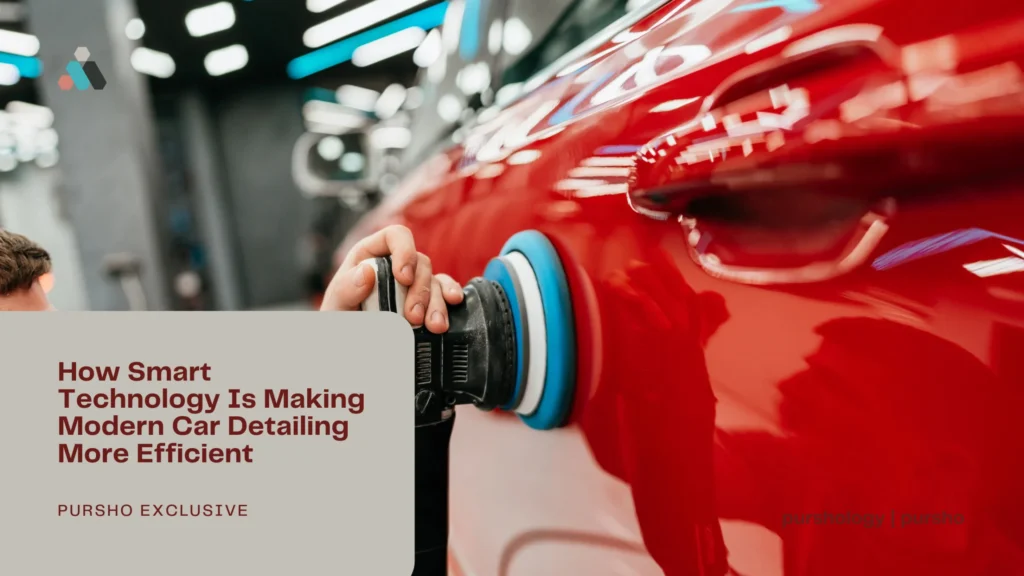
Dual action polishers are now the standard for most work. They move in a pattern that reduces the risk of heat buildup and paint damage. Cordless polishers with strong batteries make it easier to reach tight spots without dragging a cord across the car. Smaller polishers with mini pads help with bumpers, mirrors, and other curved areas.
Better pads and compounds also matter. Many modern products cut and finish in fewer steps, which saves time without sacrificing results.
Coatings That Last Longer
Wax used to be the main way to protect paint. It looks great, but it wears off in weeks.
Ceramic coatings now offer much longer protection. They bond to the paint and create a hard, slick layer that resists UV rays, water spots, and chemical stains. Some newer coatings include graphene, which manufacturers say helps reduce water spotting and improve durability.
Some shops also use infrared curing lamps to help coatings set faster and more evenly. That can shorten the time your car needs to stay in the shop.
For the most exposed areas, paint protection film is another option. Many installers now use software and plotters to cut film patterns for specific models, which means less cutting on the car and a cleaner fit.
Steam Cleaning and Hot Water Extraction
Interior cleaning has changed a lot too. Steam cleaners use high heat and very little water to loosen dirt, grease, and sticky spills. They work well on cup holders, vents, door panels, and seat seams.
Steam also helps sanitize surfaces, which many customers care about more than they used to.
For carpets and cloth seats, hot water extractors spray cleaning solution deep into the fibers and pull it back out with strong suction. This removes stains and dirt that a regular vacuum can’t reach. It also leaves less moisture behind, which matters in humid places where damp carpets can lead to mildew.
Smarter Odor Removal
Smoke, pets, and spilled food can leave odors that air fresheners only cover up. Detailers now have better ways to treat the source.
Enzyme cleaners break down organic material like food, sweat, and pet accidents. For tougher smells, some shops use ozone generators. These must be used carefully, only in an empty vehicle, followed by airing it out, because ozone isn’t safe to breathe. Used the right way, these treatments can remove odors that used to stay for good.
Water-Saving Systems
Traditional car washing uses a lot of water, and dirty runoff can carry soap and oil into storm drains. Newer methods help reduce both problems.
Rinseless and waterless wash products clean lightly dirty cars with only a small amount of water. Deionized water systems filter out minerals, so cars dry without spots, which saves time on drying and touch-ups. Some shops also use water reclamation systems that capture and filter water for reuse.
For mobile detailers, these tools are especially useful, since they carry their own water and need to control runoff at customers’ homes and offices.
Mobile Detailing Gets More Efficient
Mobile detailing has grown fast, and technology is a big reason why.
Route planning apps help mobile detailers schedule jobs in the same area back to back, cutting drive time. Vans are now built with water tanks, generators or battery power, hose reels, and storage systems that make every tool easy to reach.
Customers can book online, share their location, and get a text when the detailer is on the way. That makes it simple to get your car cleaned at work or at home without changing your day.
What This Means for Car Owners
All this technology isn’t just for the shop. It makes a real difference for customers too:
- Easier booking and fewer scheduling delays
- Clear photos of your car’s condition
- Safer paint correction with fewer risks
- Longer-lasting protection between visits
- Deeper interior cleaning with less moisture
- Shorter wait times for many services
Technology Still Needs Skilled Hands
Tools help, but they don’t do the job alone. A paint gauge is only useful if the detailer knows how to read it. A polisher can still damage paint in the wrong hands. And no app can replace good judgment about what a car actually needs.
The best detailers combine experience with the right technology. They know when to use a machine and when a careful hand is better. When you choose a detailer, ask what tools they use, but also ask about training and experience.
The Future of Car Detailing
Smart technology has made car detailing faster, safer, and more consistent. From online booking and digital inspections to steam cleaning and long-lasting coatings, each tool helps detailers do better work in less time. And for drivers, that means a cleaner car with less hassle.
If your vehicle’s cabin needs attention, look for a shop that uses modern tools like steam cleaners and hot water extractors. Booking interior car detailing fort lauderdale drivers trust is an easy way to get deeper cleaning, fresher air, and better protection for your seats and carpets.