

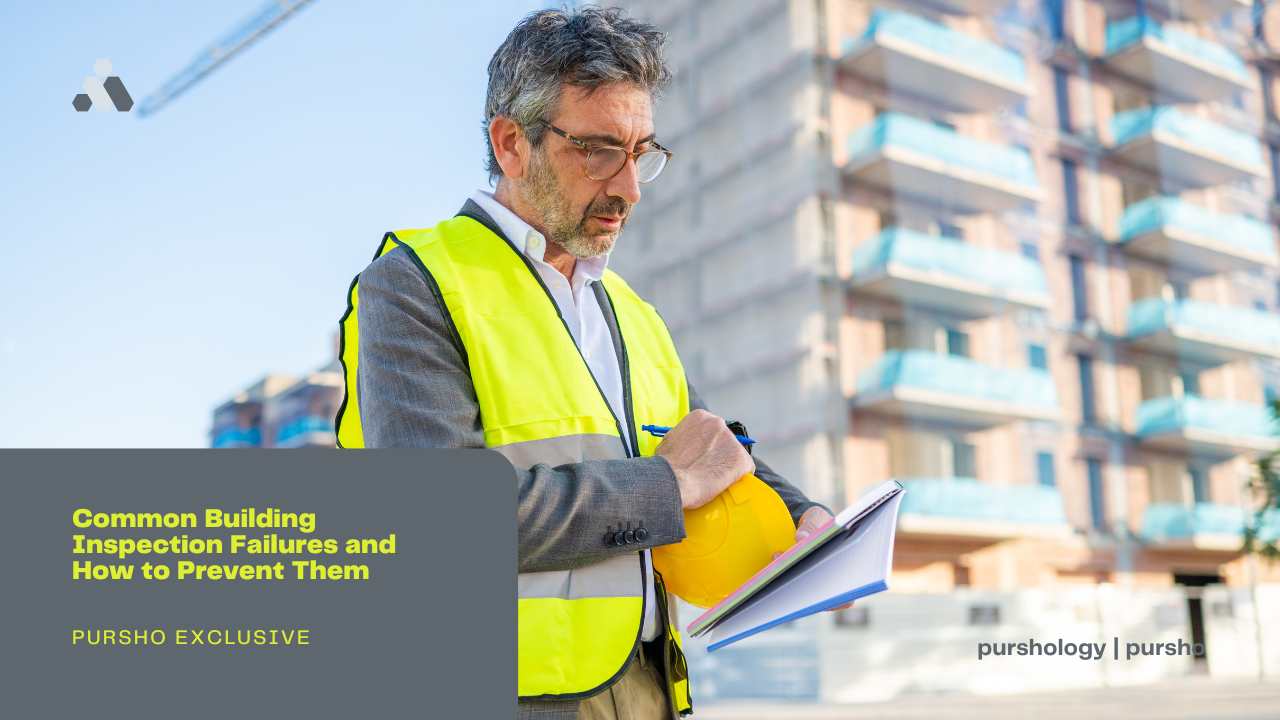
What is an apartment inspection? Building inspections are a critical part of the construction and property management process. They ensure that structures are safe, compliant with local codes, and built to last. However, inspection failures are not uncommon and can lead to costly delays, legal complications, and safety hazards. Understanding the most frequent inspection failures and learning how to prevent them is essential for contractors, property owners, and developers alike. A proactive approach to inspection readiness can save time, money, and reputational damage.
Failure to Understand Local Code Requirements
One of the most common reasons for inspection failure is a lack of understanding or misinterpretation of local building codes. These codes vary significantly by region, and what passes in one jurisdiction may not be acceptable in another. Builders and contractors who rely on outdated information or fail to consult with local permitting offices risk non-compliance. To prevent this, it is crucial to engage with local authorities early in the project lifecycle. Staying updated on code changes and ensuring that all team members are familiar with jurisdictional nuances can help avoid costly rework and delays.
Inadequate Pre-Inspection Preparation
Many projects fail inspections simply because they are not ready. Missing documentation, incomplete work, or improperly staged components can result in immediate rejection. Inspectors expect to see a site that is clean, organized, and prepared for evaluation. To prevent this, use a standardized pre-inspection checklist tailored to each phase of construction. Conduct internal mock inspections to catch oversights before the official visit. Proper preparation demonstrates professionalism and increases the likelihood of passing on the first attempt.
Poor Documentation and Record Keeping
Inspections rely heavily on documentation, including permits, plans, site photos, change orders, and test results. Disorganized or incomplete records can lead to inspection failures, liability risks, and difficulty verifying compliance during audits. Implementing a digital project management system that logs inspection reports, timestamps changes, and allows stakeholders to access real-time updates can enhance transparency and accountability. Accurate documentation not only supports compliance but also streamlines communication and decision-making.
Lack of Clear Communication Between Teams
Miscommunication between contractors, project managers, subcontractors, and inspectors often leads to misunderstandings about requirements or inspection timing. This can result in rework, added expenses, or disputes. Regular coordination meetings leading up to inspections are essential. Assign a point of contact responsible for relaying inspection updates to all parties. Daily field reports and shared timelines help ensure that everyone is aligned and aware of expectations. Clear communication fosters collaboration and reduces the risk of last-minute surprises.
Skipping Internal Quality Assurance Inspections
Relying solely on third-party or city inspectors without conducting internal inspections is a risky strategy. Internal quality assurance checks allow teams to identify and address issues before they become official failures. These inspections should be built into the project schedule and treated with the same seriousness as external evaluations. By catching problems early, teams can correct them proactively and avoid delays. Internal inspections also reinforce a culture of accountability and continuous improvement.
Structural Damage and Deficiencies
Structural issues such as foundation cracks, sagging floors, or compromised load-bearing elements are serious concerns that often lead to inspection failures. These problems may stem from poor construction techniques, substandard materials, or environmental factors. To prevent structural failures, work with qualified engineers during the design and construction phases. Use high-quality materials and adhere strictly to engineering specifications. Regular monitoring and testing throughout the build can help detect and address issues before they escalate.
Faulty Electrical Systems
Electrical failures are not only common but also dangerous. Inspectors look for proper wiring, grounded outlets, functioning circuit breakers, and compliance with safety codes. Flickering lights, warm outlets, or frequent breaker trips are red flags. To prevent electrical inspection failures, hire licensed electricians and ensure that all work is performed according to code. Conduct thorough testing before inspections and document all electrical work. Safety should always be the top priority when dealing with electrical systems.
Plumbing Problems
Leaking pipes, clogged drains, and faulty fixtures are frequent culprits in failed inspections. Plumbing issues can lead to water damage, mold growth, and sanitation concerns. Preventing these failures requires careful planning, skilled labor, and regular maintenance. Test all plumbing systems before inspections and address any signs of wear or malfunction. Proper installation and adherence to plumbing codes are essential for passing inspections and maintaining long-term functionality.
Mold and Moisture Issues
Mold and mildew are often discovered during inspections, especially in areas with poor ventilation or water intrusion. These fungi pose health risks and indicate underlying moisture problems. To prevent mold-related failures, ensure that the building envelope is sealed properly and that ventilation systems are effective. Address leaks promptly and use moisture-resistant materials in vulnerable areas. Regular inspections and maintenance can help detect and eliminate mold before it becomes a serious issue.
Non-Compliance with Building Codes
Unpermitted renovations, illegal additions, and safety violations are major causes of inspection failure. These issues not only jeopardize the integrity of the building but also expose owners to fines and legal action. To prevent non-compliance, always obtain the necessary permits and follow approved plans. Work with professionals who understand local regulations and maintain open communication with permitting authorities. Compliance is not optional—it is the foundation of a safe and successful project.
Conclusion
Building inspection failures can derail even the most well-planned projects. From structural damage to documentation errors, the consequences of non-compliance are significant. However, with proper preparation, clear communication, and a commitment to quality, these failures can be avoided. Understanding the common pitfalls and implementing preventive measures ensures that inspections become a tool for improvement rather than a source of frustration. In the end, successful inspections protect your investment, uphold safety standards, and contribute to the long-term success of your property. Ensure your building stays compliant and safe year-round by scheduling a certified parapet inspection through https://nycparapetsinspection.com/.


