
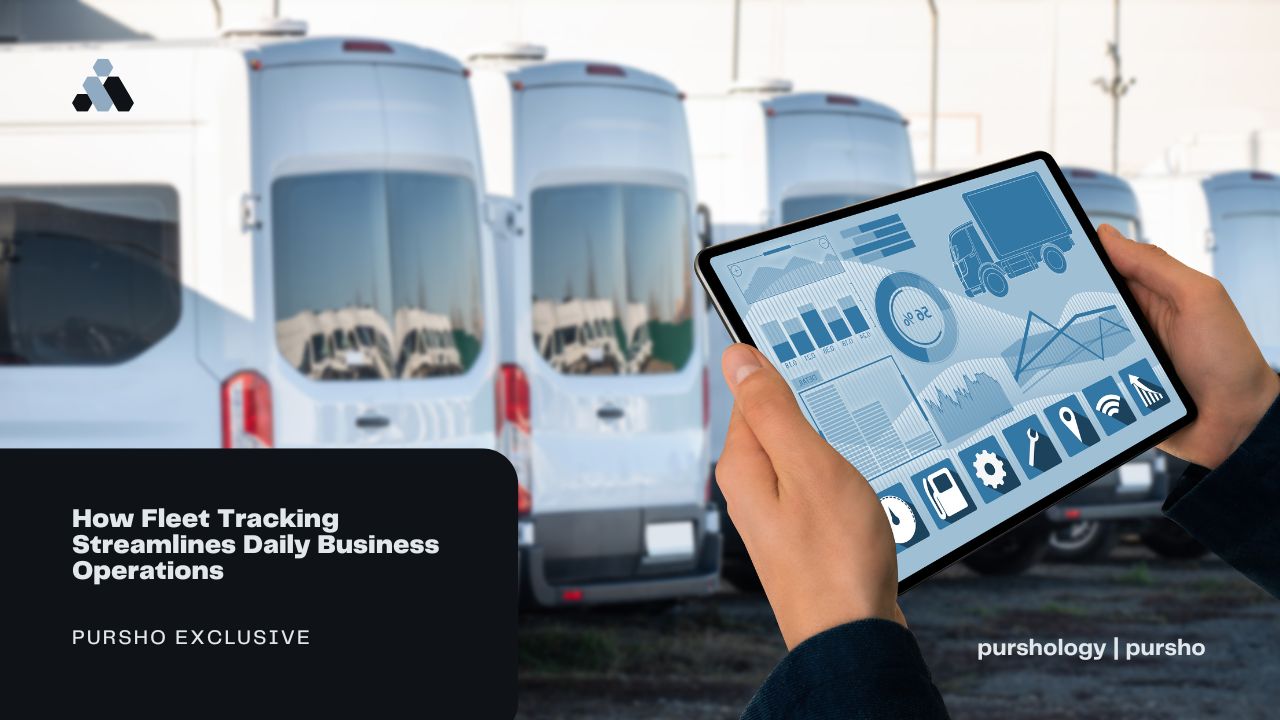
Managing a commercial fleet involves a constant stream of moving parts. You deal with vehicle locations, fuel costs, and employee schedules throughout the day. When these elements lack coordination, your business loses money and time.
Fleet tracking offers a way to monitor these variables through a centralized interface. You gain visibility into how vehicles move and how drivers behave on the road. This technology transforms vague estimates into concrete data points. By implementing a systematic approach to monitoring, you reduce the uncertainty that often plagues logistical planning.
Optimization of Route Planning
Route efficiency dictates your fuel expenditure and labor costs. Without digital oversight, drivers might choose paths based on habit rather than efficiency. You can use software to identify the most direct paths between stops. These tools analyze traffic patterns and road conditions to suggest better alternatives. Shortening the distance traveled directly impacts your bottom line. You reduce the wear on tires and engines while completing more jobs in a single shift.
Avoiding unnecessary detours becomes easier when you have a clear view of every trip. Drivers often encounter road closures or unexpected congestion that delays their arrival. Real-time data allows you to redirect your team immediately. You can see when a vehicle veers off its assigned path without a valid reason. You also minimize the time spent idling in traffic, which preserves fuel. Clear routing instructions help your staff focus on their tasks instead of navigating complex city streets.
Enhancing Asset Visibility and Security
Knowing the exact location of every vehicle removes the guesswork from dispatching. You can respond to customer inquiries with precise arrival times. GPS fleet tracking provides a constant connection to your mobile assets. You no longer need to call drivers for status updates, which keeps their focus on the road. If a vehicle is stolen, you can provide law enforcement with its coordinates immediately.
Asset tracking solutions extend beyond just cars and trucks. You can monitor trailers, generators, and heavy machinery used at various job sites. Small businesses often struggle with misplaced equipment, leading to project delays. Having a digital inventory of where everything is located simplifies your morning preparations. You can check the status of your fleet size from a computer or mobile device at any time.
Monitoring Driver Behavior and Safety
Safety on the road influences your insurance premiums and public reputation. You need to know if your drivers are following speed limits or engaging in risky maneuvers. Harsh braking incidents often indicate distracted driving or poor anticipation of traffic flow. By monitoring these events, you identify which employees require additional training. Higher standards of road conduct lead to fewer accidents and lower repair costs. You can set up instant notifications to alert you when a driver exceeds a specific speed.
Consistent monitoring also addresses the issue of excessive idling. Leaving an engine running while stationary wastes a significant amount of fuel over a month. You can see exactly how long a vehicle remains stationary with the engine on. Addressing this habit can lead to substantial savings across your entire organization.
Driver safety improves when employees know their performance is being evaluated. You can use the collected data to reward those who consistently operate vehicles responsibly. Professionalism on the road reflects your company’s values to the public.
Streamlining Maintenance and Reporting
Mechanical failures disrupt your schedule and create unexpected expenses. You can avoid these problems by sticking to rigid maintenance schedules. Modern tracking systems link directly to a vehicle’s computer to monitor engine health. You receive alerts when a check-engine light appears or when a vehicle is due for an oil change. Proactive repairs prevent minor issues from turning into major breakdowns. You extend the lifespan of your fleet by addressing wear and tear before it becomes critical.
Detailed reports provide a historical view of your business performance. You can analyze fuel consumption, stop durations, and total mileage for any given period. This information is helpful for budgeting and identifying areas where you can cut costs.
An equipment management report helps you decide when to retire older vehicles and invest in new ones. Automated record-keeping reduces the administrative burden on your office staff. You spend less time filing paperwork and more time growing your business. Data-driven decisions are more reliable than those based on intuition alone.
In Conclusion
Integrating a fleet tracking solution into your business structure provides a clear path to improved efficiency. You gain the ability to manage your resources with precision and transparency. Every mile saved and every minute of reduced idle time contributes to your profitability. Customer satisfaction increases when you provide reliable service and accurate updates.
The technology acts as an extra set of eyes on your mobile operations, allowing you to manage from a distance. You gain control over fuel waste, maintenance needs, and driver safety. Adopting these tools prepares your business for the demands of a competitive market.