TL;DR:
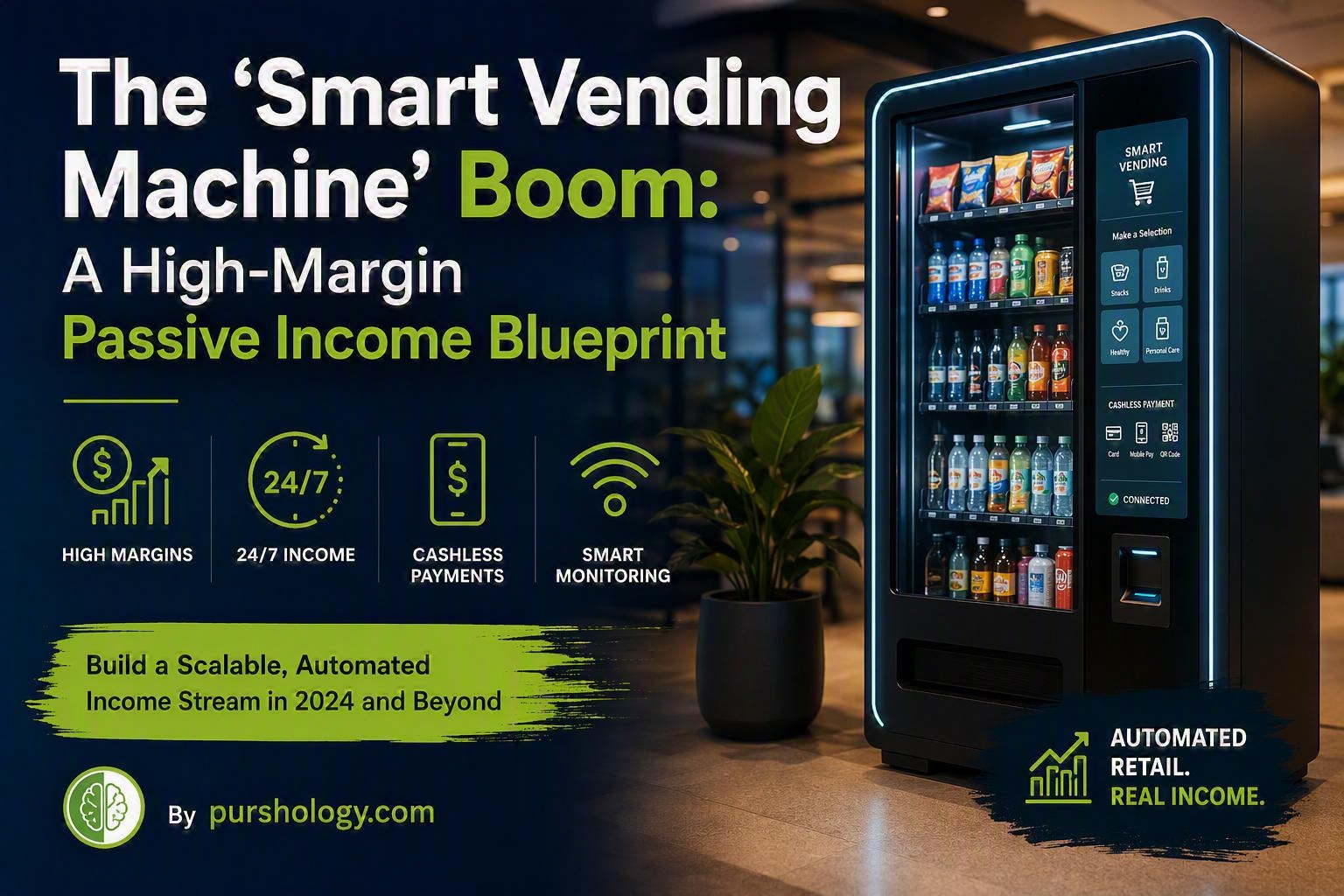
Smart vending machines are transforming the traditional vending business into a technology-driven passive income opportunity. With cashless payments, remote inventory management, AI-powered analytics, and strategically chosen locations, entrepreneurs can build a scalable, high-margin business with relatively low operational overhead. This guide explores why the smart vending machine industry is booming, how to get started, and the key strategies for maximizing profitability.
The Smart Vending Machine Boom: A High-Margin Passive Income Blueprint for Modern Entrepreneurs
The concept of passive income has long attracted entrepreneurs looking to generate revenue without being tied to a desk or storefront. Today, one business model is experiencing a significant resurgence: smart vending machines.

Gone are the days when vending machines only dispensed chips and soft drinks while requiring frequent manual checks. Modern smart vending machines leverage digital payments, real-time monitoring, inventory tracking, touchscreens, and data analytics to create a highly efficient business model that can operate around the clock.
For entrepreneurs seeking scalable income streams, smart vending machines may represent one of the most accessible opportunities in the automated retail space.
Why Smart Vending Machines Are Booming
Several market trends are fueling the rapid growth of smart vending businesses:
1. Cashless Payments Have Become the Norm
Consumers increasingly prefer paying with cards, mobile wallets, and contactless payment systems. Smart vending machines accommodate these preferences, removing one of the biggest limitations of traditional vending machines.
The result is a smoother purchasing experience and potentially higher transaction volumes.
2. 24/7 Revenue Generation
Unlike traditional retail businesses, vending machines operate continuously without requiring employees, shifts, or supervision. Every hour of the day presents a revenue opportunity.
Whether positioned in office complexes, gyms, apartment buildings, hospitals, or transport hubs, smart vending machines can generate sales while the owner focuses on other ventures.
3. Real-Time Monitoring
One of the biggest innovations in smart vending is remote management.
Operators can now:
- Track inventory levels remotely
- Monitor machine performance
- Receive maintenance alerts
- Analyze purchasing behavior
- Optimize product selection
This significantly reduces labor requirements and improves operational efficiency.
4. Expansion Beyond Snacks and Drinks
Modern vending machines are selling far more than beverages.
Popular categories include:
- Healthy snacks
- Protein supplements
- Electronics accessories
- Personal care products
- Beauty products
- Coffee and specialty beverages
- Fresh food
- Office supplies
This diversification opens opportunities for higher-margin products and niche markets.
The Economics Behind the High Margins
One reason investors and side-hustle enthusiasts are paying attention to smart vending is the potential for attractive margins.
The business model benefits from:
Low Staffing Costs
Traditional retail stores often spend heavily on payroll. Smart vending machines eliminate most labor costs, enabling operators to retain a larger percentage of revenue.
Predictable Operating Expenses
Typical expenses include:
- Product inventory
- Location commissions
- Maintenance
- Connectivity fees
- Transportation for restocking
Compared to many retail businesses, these costs are relatively predictable and manageable.
Scalable Infrastructure
Adding additional machines doesn’t require a proportional increase in staff or management complexity. This creates a pathway toward scaling revenue while maintaining operational efficiency.
How to Start a Smart Vending Machine Business
Step 1: Choose a Profitable Niche
The most successful operators don’t simply sell generic products.
Consider targeting:
- Fitness enthusiasts
- Office workers
- Students
- Healthcare professionals
- Travelers
- Residential communities
Understanding customer behavior is crucial for maximizing machine performance.
Step 2: Secure High-Traffic Locations
Location is arguably the most important factor in vending success.
Strong locations include:
- Corporate offices
- Universities
- Hospitals
- Manufacturing facilities
- Apartment complexes
- Airports
- Hotels
- Gyms
A mediocre machine in a prime location often outperforms an advanced machine placed in a low-traffic area.
Step 3: Invest in Smart Technology
Look for machines featuring:
- Remote inventory tracking
- Cashless payment systems
- Touchscreen interfaces
- Sales analytics dashboards
- Automated alerts
- Energy-efficient systems
Technology provides the data needed to make informed business decisions and increase profitability.
Step 4: Optimize Product Selection
Smart vending operators continuously test product offerings.
Track:
- Best-selling products
- Slow-moving inventory
- Seasonal demand
- Price sensitivity
- Customer preferences
Data-driven inventory management minimizes waste while increasing revenue per machine.
Strategies to Maximize Revenue
Bundle Products
Offering complementary products can increase average transaction value.
Examples include:
- Energy drinks plus protein bars
- Phone chargers plus earbuds
- Coffee plus snacks
Use Dynamic Pricing
Smart vending systems allow operators to adjust pricing based on demand, location, and seasonal trends.
Introduce Premium Products
Consumers are increasingly willing to pay more for convenience, quality, and specialty products.
Examples include:
- Organic snacks
- Premium coffee
- Wellness products
- Tech accessories
Premium inventory often generates stronger profit margins than traditional vending items.
Leverage Analytics
The most profitable vending businesses treat machines like data-generating assets.
Review:
- Peak sales times
- High-performing SKUs
- Product turnover rates
- Customer purchasing trends
These insights help increase revenue while reducing inventory costs.
Common Mistakes to Avoid
Many new operators underestimate the importance of operational discipline.
Avoid:
- Choosing poor locations
- Overstocking slow-moving products
- Ignoring maintenance alerts
- Failing to analyze sales data
- Relying on a single machine or location
Successful vending businesses are built through consistent optimization rather than simply placing machines and hoping for results.
Is Smart Vending Truly Passive Income?
While smart vending machines can reduce day-to-day involvement, no business is completely passive.
Owners must still:
- Restock inventory
- Coordinate maintenance
- Review performance data
- Manage supplier relationships
- Negotiate location agreements
However, compared to many traditional businesses, smart vending offers a significantly more automated and scalable income model.
The goal isn’t zero work—it’s building a system that generates revenue with minimal ongoing effort.
The Future of Automated Retail
The rise of smart vending machines is part of a broader shift toward automated retail experiences. As consumers demand greater convenience and businesses seek operational efficiency, smart vending solutions are becoming increasingly attractive.
Entrepreneurs who embrace data, technology, and strategic location selection can position themselves to capitalize on this growing trend. Whether as a side hustle or a full-scale venture, smart vending machines offer a compelling blueprint for creating a high-margin, scalable income stream in the modern economy.
Ready to Build Your Smart Vending Business?
The smart vending machine boom is creating opportunities for entrepreneurs who want to leverage technology, automation, and recurring revenue. If you’re looking for a business model with low overhead, strong scalability, and 24/7 earning potential, now is the time to explore the automated retail space.
Start by researching high-traffic locations, evaluating smart vending technology providers, and developing a niche product strategy. The sooner you begin, the sooner you can turn automated retail into a profitable income-generating asset.