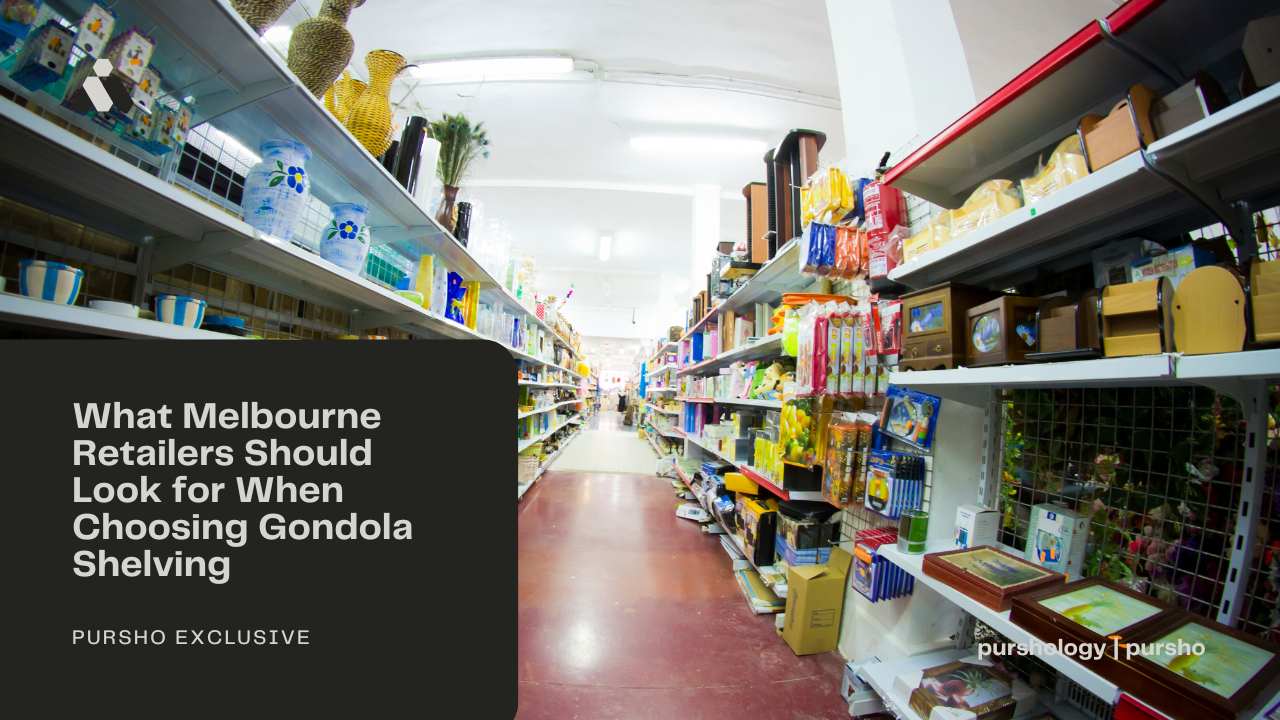
Melbourne’s retail sector is one of Australia’s most competitive and diverse markets. From supermarkets and convenience stores to specialty retailers and independent boutiques, businesses across the city rely heavily on effective store layouts to maximise sales and improve customer experiences. One of the most important decisions during any retail fit-out is selecting the right shelving system.
Gondola shelving remains the preferred choice for many retailers because of its flexibility, durability, and merchandising potential. However, not all shelving systems are created equal. Before investing in a new retail fit-out or upgrading an existing store, Melbourne retailers should carefully evaluate several factors that will influence both day-to-day operations and long-term business growth.

Choose Shelving Designed for Your Retail Environment
Different retail environments have very different shelving requirements. A convenience store carrying thousands of fast-moving products requires a different shelving approach compared to a boutique retailer displaying premium merchandise.
Retailers evaluating gondola shelving in Melbourne solutions should first consider their specific operating environment, including:
- Product size and weight
- Customer traffic volume
- Frequency of stock replenishment
- Promotional display requirements
- Available floor space
- Future expansion plans
Supermarkets, service stations, pharmacies, liquor stores, and specialty retailers all require shelving configurations that support their unique merchandising strategies.
Prioritise Flexibility and Adaptability
Retail trends, product ranges, and customer preferences constantly evolve. Shelving systems that offer flexibility allow retailers to adapt without undertaking costly store refurbishments.
Modular gondola shelving systems provide several advantages, including:
- Adjustable shelf heights
- Configurable bay layouts
- End-cap merchandising opportunities
- Expansion capabilities
- Seasonal display adjustments
Retailers who invest in adaptable shelving often achieve better long-term returns because they can continually optimise their store layouts as their businesses grow.
Based on experience working with Australian retailers across multiple industries, businesses that prioritise flexibility during their initial fit-out typically face fewer operational disruptions when expanding product ranges or redesigning store layouts.
Consider Durability and Load Capacity
Retail shelving is subjected to constant use. Heavy products, frequent restocking, customer interaction, and ongoing merchandising changes place significant demands on shelving systems.
When assessing gondola shelving, retailers should evaluate:
- Steel construction quality
- Shelf load ratings
- Powder-coated finishes
- Stability and safety features
- Compliance with Australian commercial requirements
- Long-term maintenance requirements
While lower-cost shelving options may appear attractive initially, they can create additional costs over time through repairs, replacements, and operational disruptions.
Evaluate Available Accessories and Merchandising Options
Effective merchandising extends beyond shelves alone. The right accessories can dramatically improve product visibility, customer engagement, and store profitability.
Retailers should consider whether their shelving supplier offers:
- Pegboard systems
- Hooks and hanging displays
- Shelf dividers
- Ticket strips and signage holders
- Wire baskets
- Promotional end bays
- Adjustable display fixtures
These accessories allow retailers to maximise available floor space while creating visually engaging shopping environments.
Focus on Customer Flow and Store Layout
Store layout plays a critical role in customer behaviour and purchasing decisions. Well-designed shelving systems help guide customer movement while maximising product exposure.
Retailers should assess:
- Aisle widths
- Sightlines throughout the store
- Accessibility requirements
- High-margin product placement opportunities
- Promotional display positioning
- Traffic flow patterns
Industry observations suggest that retailers who carefully plan customer flow during the fit-out stage often achieve stronger merchandising outcomes and improved operational efficiency.
Work With Suppliers That Offer Long-Term Support
Purchasing shelving is not simply a one-time transaction. Retail businesses frequently require additional bays, replacement components, reconfigurations, and ongoing support as their operations evolve.
Working with an Australian supplier offers several advantages:
- Faster delivery times
- Local inventory availability
- Technical support
- Installation guidance
- Access to replacement parts
- Ongoing account management
This becomes particularly important for retailers operating multiple locations or planning future expansion.
Why Experience Matters
Mills Shelving has supplied commercial shelving systems to retailers throughout Australia, supporting supermarkets, convenience stores, service stations, liquor stores, and specialty retailers operating in demanding commercial environments.
Experience gained through supplying diverse retail sectors provides valuable insight into how shelving systems perform under real-world operating conditions. Rather than focusing solely on initial purchase costs, experienced suppliers can help retailers evaluate factors such as longevity, flexibility, merchandising effectiveness, and future scalability.
Expert Insight
According to Neil Webster, CEO of Mills Shelving, retailers often underestimate the importance of selecting shelving systems that can adapt alongside their business growth. “Many retailers initially focus on obtaining the lowest upfront price, but over time, flexibility becomes one of the most valuable features of any shelving investment. Businesses regularly change product ranges, expand categories, introduce promotional displays, and adjust store layouts. Selecting a modular gondola shelving system from the outset can significantly reduce future fit-out costs while providing greater operational flexibility.”
Consider Industry Best Practices
Retail fit-outs should also consider broader industry standards and operational requirements. Organisations such as the National Retail Association provide valuable guidance on retail operations, workplace practices, and customer experience considerations.
Factors such as accessibility, safety, merchandising effectiveness, and operational efficiency should all influence shelving decisions. Taking a long-term approach helps retailers create stores that remain effective and competitive for many years.
Final Thoughts
Choosing the right gondola shelving system requires more than simply comparing prices. Melbourne retailers should carefully evaluate flexibility, durability, merchandising capability, customer flow, supplier support, and long-term business objectives.
A well-designed shelving system serves as the foundation of an effective retail environment. By investing in quality commercial shelving that supports future growth and operational efficiency, retailers can create stores that deliver stronger customer experiences and better commercial outcomes.