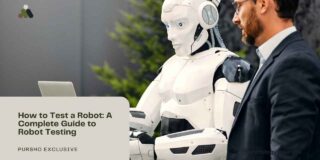
The integration of artificial intelligence into the workplace has become a game-changer for numerous industries. With the promise of increased efficiency and productivity, organizations worldwide are eager to leverage the power of AI. However, this transition is not just about introducing new technology; it’s about reshaping the very fabric of the workforce. Understanding the role of enterprise AI platforms is essential for any business aspiring to stay competitive in today’s rapidly evolving market. Below, we’ll delve into how these platforms function and their profound impact on the future of work.
Understanding Enterprise AI Platforms and Their Role in Modern Business
BA Insight is transforming how organizations manage information by integrating AI into everyday workflows. These tools automate complex tasks and support better decision-making through machine learning and predictive analytics, giving teams more time to focus on strategic initiatives.

Enterprise AI platforms are key to digital transformation, helping businesses analyze massive data sets quickly and accurately. By turning unstructured data into actionable insights, they boost productivity, enhance customer experiences, and reshape how employees interact with technology.
Analyzing the Impact of AI on Workforce Efficiency and Productivity
The integration of AI into the workforce has boosted efficiency by automating repetitive tasks, allowing employees to focus on higher-value work and increasing overall productivity. It also reduces human error, as machines follow consistent, predefined algorithms, resulting in improved output quality and fewer resources spent on corrections.
AI-driven data analysis reveals patterns and trends that enable employees to make proactive decisions, enhancing both individual and collective performance. This shift isn’t without complications—concerns over surveillance and job displacement can affect morale. Organizations must navigate these issues carefully to fully leverage AI’s productivity potential while maintaining workforce stability and engagement.
The Synergy between AI Tools and Human Expertise in the Workplace
AI’s role in the workplace is best understood as a complement to human expertise, not a replacement. While AI platforms offer unmatched data processing speed, they lack the creative and emotional intelligence that humans contribute. This synergy allows professionals to interpret AI-generated insights with deeper context, leading to more informed decisions.
Industries such as healthcare, education, and customer service particularly benefit from this balance—AI handles data-heavy tasks while people provide empathy and judgment. Organizations that integrate AI with human strengths often see heightened productivity and innovation. Success in the AI-driven workplace depends on viewing technology and human skills as collaborative forces.
Overcoming the Challenges of Integrating AI into the Workforce
Introducing AI into the workplace comes with challenges such as workforce upskilling and potential resistance to change. Leadership must implement training programs to help employees collaborate with AI tools and recognize their value. Effective change management is crucial, requiring open communication about AI’s impact and addressing concerns directly to foster trust and acceptance.
Ethical considerations also play a role, necessitating clear policies on data privacy, bias, and responsible use. Organizations must proactively govern AI to maintain fairness and compliance. Maintaining and evolving AI systems may require specialized expertise, new roles, or external support, emphasizing the need for ongoing learning and adaptability.
Future Trends: The Evolving Relationship Between AI Platforms and Workforce Dynamics
The integration of AI into the workforce is accelerating, with enterprise platforms transforming industries through automation and predictive analytics. This shift demands new skills and a forward-thinking approach to workforce planning. Remote work has expanded AI’s role in enhancing virtual collaboration and productivity, reshaping traditional workflows.
Simultaneously, the gig economy benefits from AI’s ability to match freelancers to projects and optimize task management. As technology evolves, AI will take on more complex functions and influence decision-making processes, though human oversight will still be essential to ensure ethical and balanced outcomes in this increasingly dynamic work environment.
Overall, the symbiosis of enterprise AI platforms and workforce dynamics heralds a new era in productivity and innovation. The successful organizations of tomorrow will be those that embrace AI not only as a technological tool but as an integral part of their strategic vision and company culture.