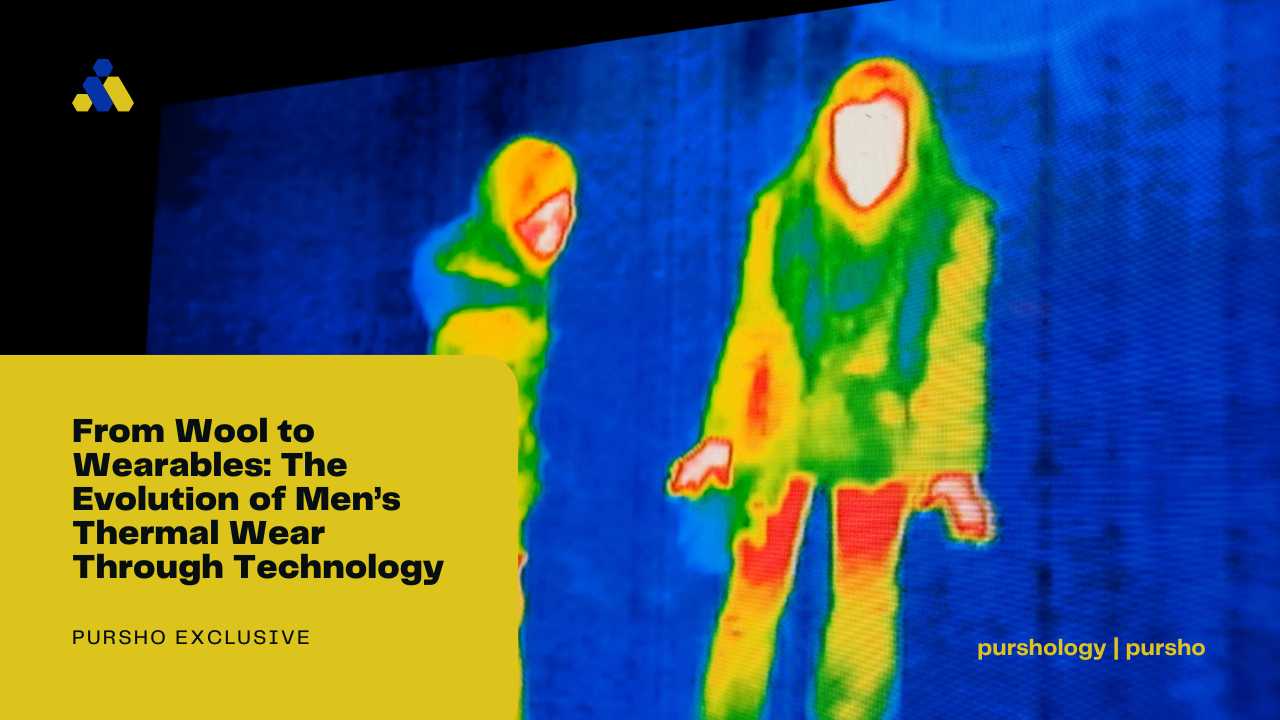
Staying warm in cold weather has come a long way from piling on itchy wool sweaters and bulky layers. For generations, men relied on heavy fabrics like wool and cotton to keep the cold at bay. But as outdoor lifestyles evolved and technology advanced, so too did the garments we wear. Today’s thermal wear is no longer just about insulation — it’s about intelligent design, performance, and even digital integration.
In this article, we’ll explore the fascinating evolution of thermal wear for men, tracing its journey from traditional natural fibers to high-tech smart garments that can regulate temperature, monitor activity, and reduce environmental impact.

1. The Wool Era: A Natural Beginning
Long before synthetic fibers and wearable tech, men’s thermal clothing depended heavily on one natural material: wool. Known for its excellent insulating properties, wool — particularly Merino wool — became the go-to fabric for base layers in cold environments.
Its benefits included:
- Natural insulation (even when wet)
- Moisture-wicking properties
- Odor resistance
However, traditional wool garments were often heavy, slow to dry, and could be uncomfortable for extended wear. While Merino wool helped solve some of these issues, it was clear that a more advanced solution was needed — especially for athletes, military personnel, and outdoor adventurers.
2. The Synthetic Revolution
The mid-to-late 20th century saw a major breakthrough: the introduction of synthetic fibers like polyester, nylon, and polypropylene into thermal wear.
These materials offered:
- Lightweight comfort
- Rapid moisture evaporation
- Improved flexibility and stretch
- Faster drying times
Brands like Under Armour and Patagonia began creating high-performance base layers specifically engineered for sports and outdoor use. While synthetics lacked the natural warmth of wool, they provided active insulation that could keep up with movement and sweat.
Drawbacks included potential odor retention and less breathability compared to natural fibers — sparking the need for blended solutions.
3. High-Performance Fabric Blends
As demands for performance and comfort grew, manufacturers started blending natural and synthetic fibers. The result: fabrics that combined the best of both worlds.
Modern thermal wear for men often features:
- Wool-synthetic hybrids (e.g., Merino wool + nylon)
- Seamless construction to prevent chafing
- Body-mapped insulation zones to trap heat where it’s needed most
- Four-way stretch materials for maximum mobility
These advances redefined layering — especially the base layer, which became the cornerstone of cold-weather athletic wear.
4. Smart Thermal Wear: The Rise of Wearable Technology
Today, thermal wear isn’t just reactive — it’s intelligent.
Smart thermal wear for men now includes garments equipped with:
- Built-in heating elements powered by rechargeable batteries
- Adjustable heat settings via smartphone apps
- Bluetooth connectivity
- Motion and temperature sensors
Brands like Ororo, Volt, and Mobile Warming are leading the charge in developing tech-integrated base layers and vests. Whether you’re hiking in sub-zero conditions or commuting on a frigid morning, these garments allow you to dial in the perfect temperature without layering excessively.
One standout trend is battery-powered heated thermals — offering 6–10 hours of targeted warmth. These are especially popular among motorcyclists, skiers, and construction workers who need reliable protection against cold stress.
5. Advanced Materials & Future Textiles
Beyond wearable tech, the fabric technology itself has reached new heights.
Innovative materials now used in premium thermal wear for men include:
- Graphene-infused fabrics: Ultra-light and incredibly heat-conductive
- Aerogel insulation: Originally developed by NASA, now used in ultra-thin yet warm layers
- Phase Change Materials (PCMs): Adjust insulation based on body temperature
- Infrared fabrics: Reflect body heat back inward for improved warmth
These textiles adapt to changing environments — ideal for athletes, explorers, and even military applications in extreme weather.
6. Sustainability Meets Technology
In response to rising environmental concerns, leading apparel companies are investing in sustainable thermal wear that doesn’t sacrifice performance.
Key features include:
- Recycled polyester and wool fibers
- Biodegradable blends
- Low-energy heating systems in smart garments
- Circular manufacturing processes
Brands like Icebreaker, Smartwool, and Vaude are proving that it’s possible to stay warm while reducing your environmental footprint.
7. What’s Next in Thermal Wear for Men?
The future of men’s thermal clothing is likely to include:
- AI-powered garments that adjust warmth based on predictive algorithms
- App-synced clothing ecosystems (e.g., syncing jacket, base layer, and gloves)
- Solar-powered thermal gear
- Ultra-compact insulation that performs better than down
As wearable tech continues to evolve, thermal wear will become increasingly personalized — offering real-time feedback, biometrics, and smart adaptability.
Conclusion
From rugged wool to high-tech wearables, the evolution of thermal wear for men is a testament to how far we’ve come in combining comfort, performance, and technology. Today’s thermals are not just about surviving the cold — they’re about optimizing how we live, move, and perform in it.
Whether you’re trekking through snow-covered trails or heading to work on a frosty morning, there’s now a smart, sustainable, and stylish thermal solution for every kind of man — and every kind of cold.