
As a small business owner, you need to make sure your customers get remarkable experiences if you are to drive your sales up. This will mean giving the best services while at the same time offering something that can keep them engaged as they wait to be served. With most people now cutting the cord, it makes sense that you also do the same if you are to keep pace with technological changes.

In this article, we are going to have a look at some of the ways in which you can put the TV screen of your business into use instead of relying on traditional cable programming.
Use The Business’s TV Screen For Marketing Purposes
One of the ways in which you can get the most out of your business’s TV screen is by using it to display marketing messages. This action helps your customers in knowing more about the business and what makes it worth relying upon than your competitors. To make sure you come up with the best marketing messages for your business, you can make use of photos slideshows or even short videos.
Whatever the situation, you should shun away from using long marketing messages as they will only end up making your customers bored. Instead, come up with something short and interactive if they are to follow it till the end.
Subscribe To Streaming Services
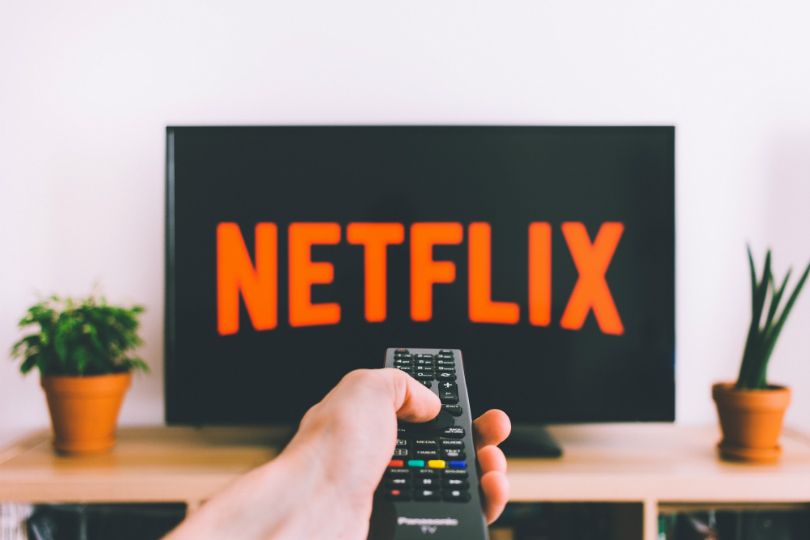
It is without a doubt that streaming services such as Hulu and Netflix allow your customers the chance of catching a glimpse of different movies, shows and other video content that are on-demand. Therefore, making use of them will go a long way in keeping your customers engaged.
Before using such services, however, you need to have a device such as the famous Amazon Fire TV Stick, if your customers are to enjoy the streaming. Not only that, but you may also consider getting a Firestick VPN to avoid ISP throttling. It is only then that you will give your customers what they want to watch.
Advertise Other Businesses
For business owners who want to cut on costs but still increase their revenue, using the business’s TV screen for advertising another company will do the trick. All you have to do is look for other businesses that are willing to pay a fee if you are to display their own marketing messages. Through this action, you will give your customers something to look at while at the same time increasing your revenue.
To be effective, please note that you need to make sure your business is one of the leading marketing places in your locality if you are to convince other companies in using your business’s TV screen for marketing purposes.
Conclusion
With cord-cutting upon us, you need to make sure you use the best possible options available if you are to forget about traditional cable programming. Remember, you customers really matter a lot and hence you must always give them what they need if you are to take your business a notch higher.
Current Considerations and Best Practices (What’s Changed Recently)
A few important developments in the last couple of years can affect how you use a TV screen in your business—especially around licensing, privacy, and streaming reliability. Keeping these in mind will help you avoid avoidable fines, downtime, or customer frustration.
### 1) Streaming in a business often requires commercial rights
Many popular consumer streaming subscriptions are intended for personal, in-home viewing. Showing movies or TV channels publicly in a business setting may require a commercial license (or a business-specific plan) depending on the service and the content. Before placing a streaming show on a lobby or waiting-area TV, confirm the provider’s “public performance” or commercial-use terms, or choose a business-grade content solution designed for public venues.
### 2) Digital signage is becoming the “default” for marketing screens
If your goal is promotions, menus, wait-time info, reviews, or announcements, a true digital signage setup is usually more effective than looping random videos. Consider tools that let you:
– Update content remotely from your phone or laptop
– Schedule messages by day/time (happy hour, specials, events)
– Keep designs consistent with your branding
– Rotate short, readable messages (think “glanceable” content)
This is especially useful if you have multiple locations or frequently changing offerings.
### 3) Avoid personalized targeting that could raise privacy issues
If you use any camera-based analytics, face detection, or Wi‑Fi/Bluetooth tracking to measure foot traffic or target ads, make sure you understand local privacy requirements and post clear notices where needed. A safe evergreen approach: keep on-screen content non-personalized (general promotions, educational loops, house specials) unless you have a compliant plan for consent, disclosure, and data handling.
### 4) Reliability matters more than “what service you picked”
As more businesses rely on internet-delivered video, the biggest day-to-day issue is reliability. To reduce outages and buffering:
– Use a stable business-class internet plan where possible
– Put streaming/signage devices on a secure, well-managed Wi‑Fi network
– Keep a simple fallback: an “offline” signage loop or local media file if the internet drops
– Lock down device settings (auto-updates, sleep mode, auto-launch the signage/streaming app)
### 5) Be cautious with VPN advice for in-store streaming
A VPN can improve privacy and sometimes helps with certain network issues, but it can also introduce buffering, break app logins, or violate provider terms depending on how it’s used. If your main concern is slow streams, you’ll usually get better results from improving network quality, using wired connections where possible, or choosing business-friendly content/signage platforms rather than relying on a VPN as the primary fix.
### 6) Keep advertising partnerships brand-safe and measurable
If you plan to advertise other businesses on your screen:
– Use simple agreements covering ad duration, approval rights, and content standards
– Avoid showing content that conflicts with your brand or customer expectations
– Track performance with QR codes, short URLs, or “mention this ad” offers so you can price ads based on results rather than guesses
These updates help you modernize your in-store TV use while avoiding the most common pitfalls that have become more relevant as cord-cutting and streaming have become the norm.